

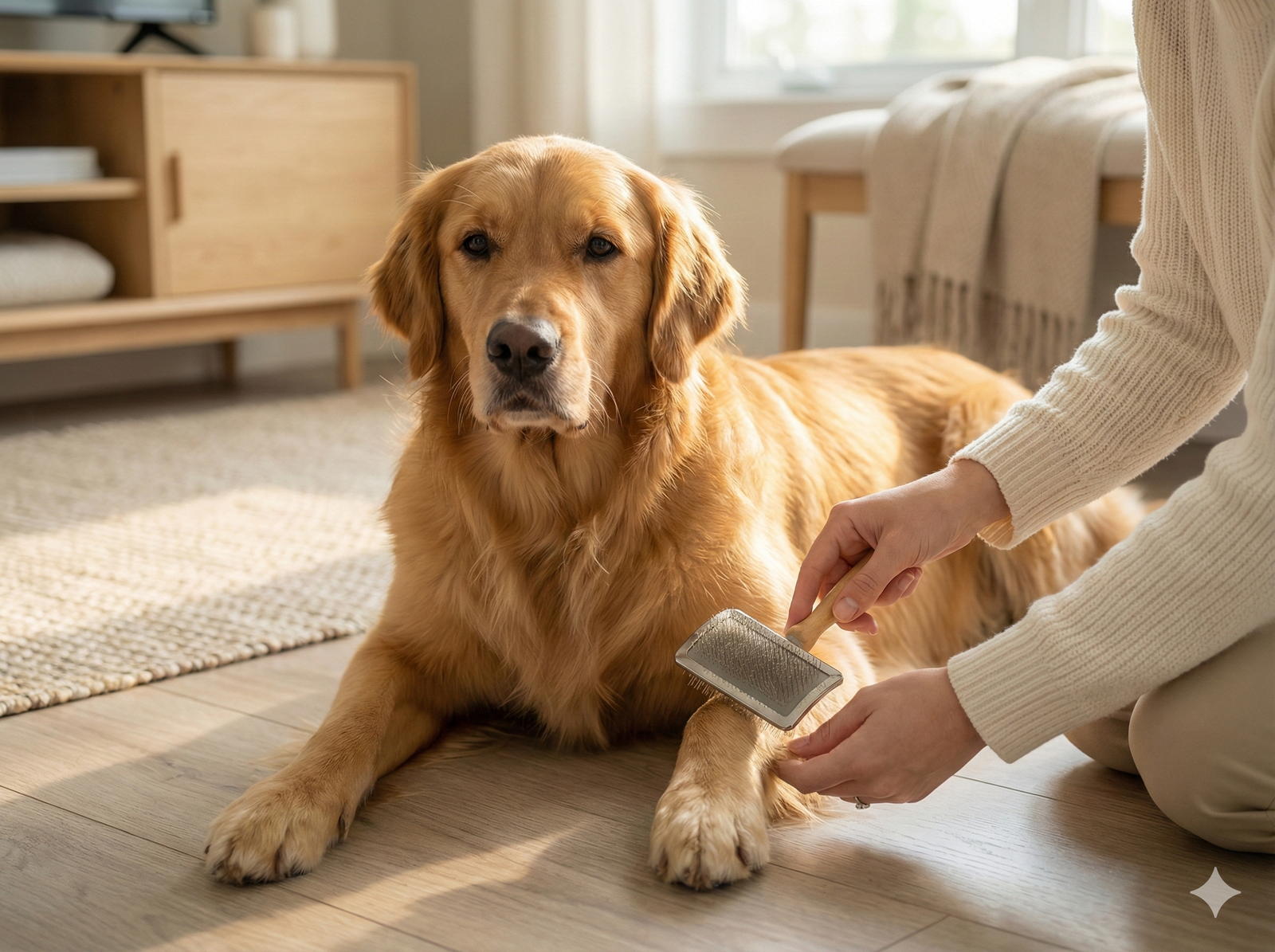
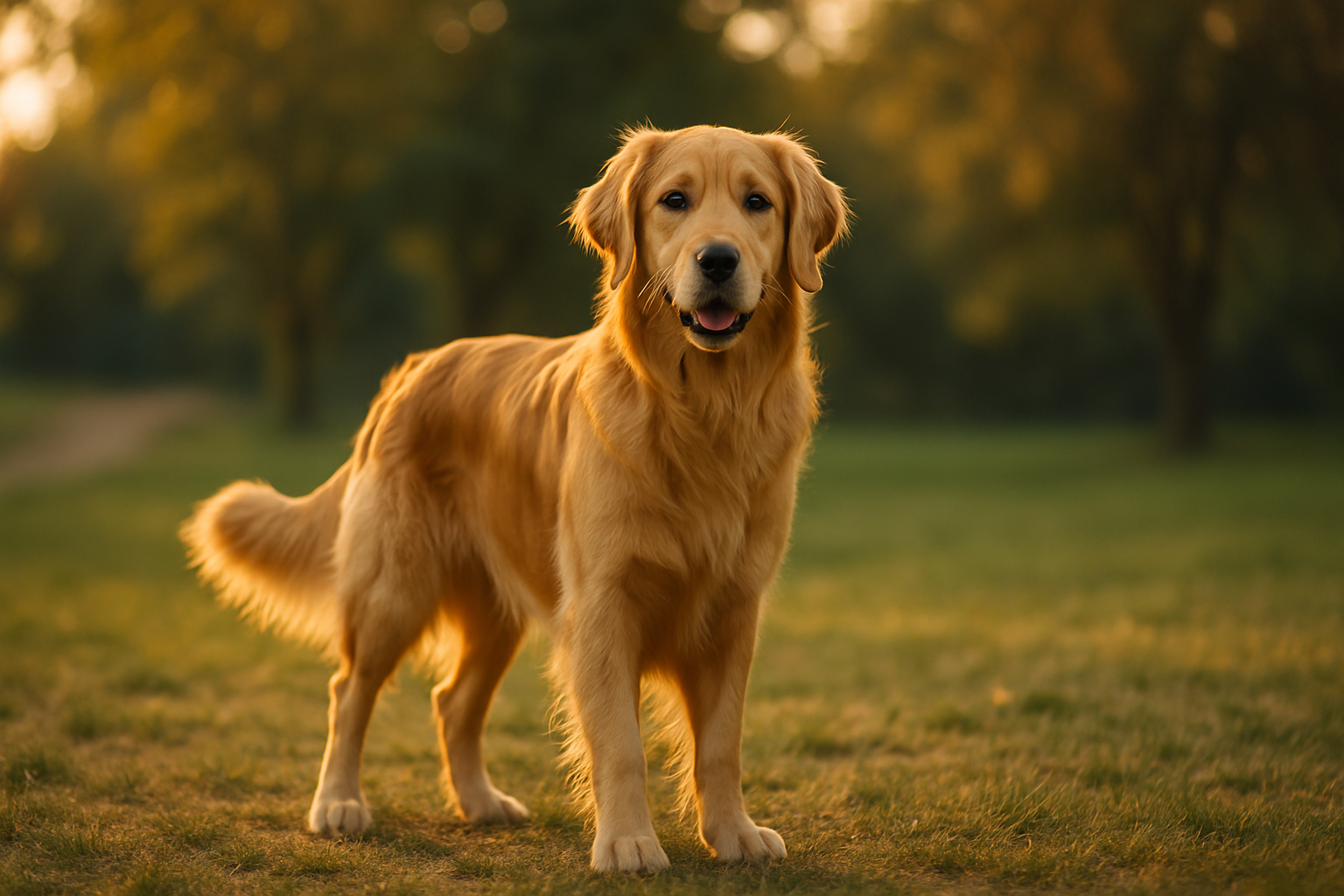
When I first picked up thinning shears, my hands began to tremble uncontrollably. Jasper looked at me with his large, trusting eyes as I thought about ruining his stunning coat. The high cost of professional grooming services did not deter me, because I wanted to build a stronger connection with my dog. I took a deep breath to start my journey of learning how to groom a Golden Retriever at home. The initial frightening attempt has evolved into our cherished bonding experience. The process requires patience and trust, while offering numerous dog treats along the way. The following guide presents my personal experience, which demonstrates basic steps to help you establish dog grooming at home. The process turns out to be simpler than you expect while providing greater satisfaction. My Go-To Toolkit for Home Grooming The beginning of my learning process showed me that home grooming for dogs requires only basic equipment instead of a complete set of professional tools. The correct selection of grooming tools for dogs enables both you and your pet to feel more at ease during the grooming process. The following items make up my dog grooming equipment collection: Our Brushing Ritual That Keeps the Fluff Away Our home stays free of golden fluff because we maintain a regular dog brushing routine. I brush Jasper three times per week, but increase the frequency to daily during spring and fall when he sheds heavily. This practice serves as the essential base for dog grooming that takes place at home. The process helps prevent painful matting from developing and allows me to inspect his skin condition. The experience has become a peaceful moment for us because he receives a reward at the end. Jasper’s Spa Day: My Best Dog Bath Tips A few basic techniques have transformed bath time into a more manageable experience. One of my best dog bath tips is to brush Jasper thoroughly before he gets wet. Any small knot in his hair becomes dramatically worse when exposed to water. We use a dog-friendly shampoo and follow with multiple, thorough rinses to ensure complete soap removal, because leftover soap can cause skin irritation. The high-velocity dryer with cool settings proved to be an excellent purchase because it enables complete drying of his thick undercoat, which prevents hot spots from developing. The “Tidy Trim”: Feet, Feathers, and Tail One of the most vital grooming golden retriever tips states that owners should never shave their dogs. The double coat of their fur serves as their protective outer layer which keeps them comfortable in all weather conditions. Our objective remains to maintain a neat appearance. I use thinning shears to trim the “Grinch feet” while also cleaning up his ear area and creating a beautiful fan shape for his tail. The basic golden retriever home grooming techniques I use result in comfortable sessions that maintain his attractive appearance. This grooming routine golden retriever owners can learn has evolved into my preferred method to spend time with Jasper. Our peaceful moments together exist because of mutual trust and deep affection. The process of learning how to groom a dog will become natural for you and your dog when you practice patience. Frequently Asked Questions (FAQs) 1. So, how often does a Golden really need a bath? Jasper needs bathing only when he discovers a muddy spot or every four to six weeks. The skin of Golden Retrievers becomes dry when owners bathe them too frequently, so a regular dog brushing routine provides better daily hygiene results. 2. Is it ever okay to shave a Golden Retriever in the summer? Please don’t! The double coat of Golden Retrievers functions as a built-in protective layer that maintains their body temperature during both hot and cold weather. Shaving their coat destroys this natural protective barrier, leaving their skin vulnerable to sunburn. Brushing their coat properly provides the most effective solution to help them stay cool.ng, making the biggest grooming challenge manageable and keeping both Jasper and my vacuum cleaner happy.
Our Golden Retriever Potty Training Journey: A (Mostly) Tidy Survival Guide
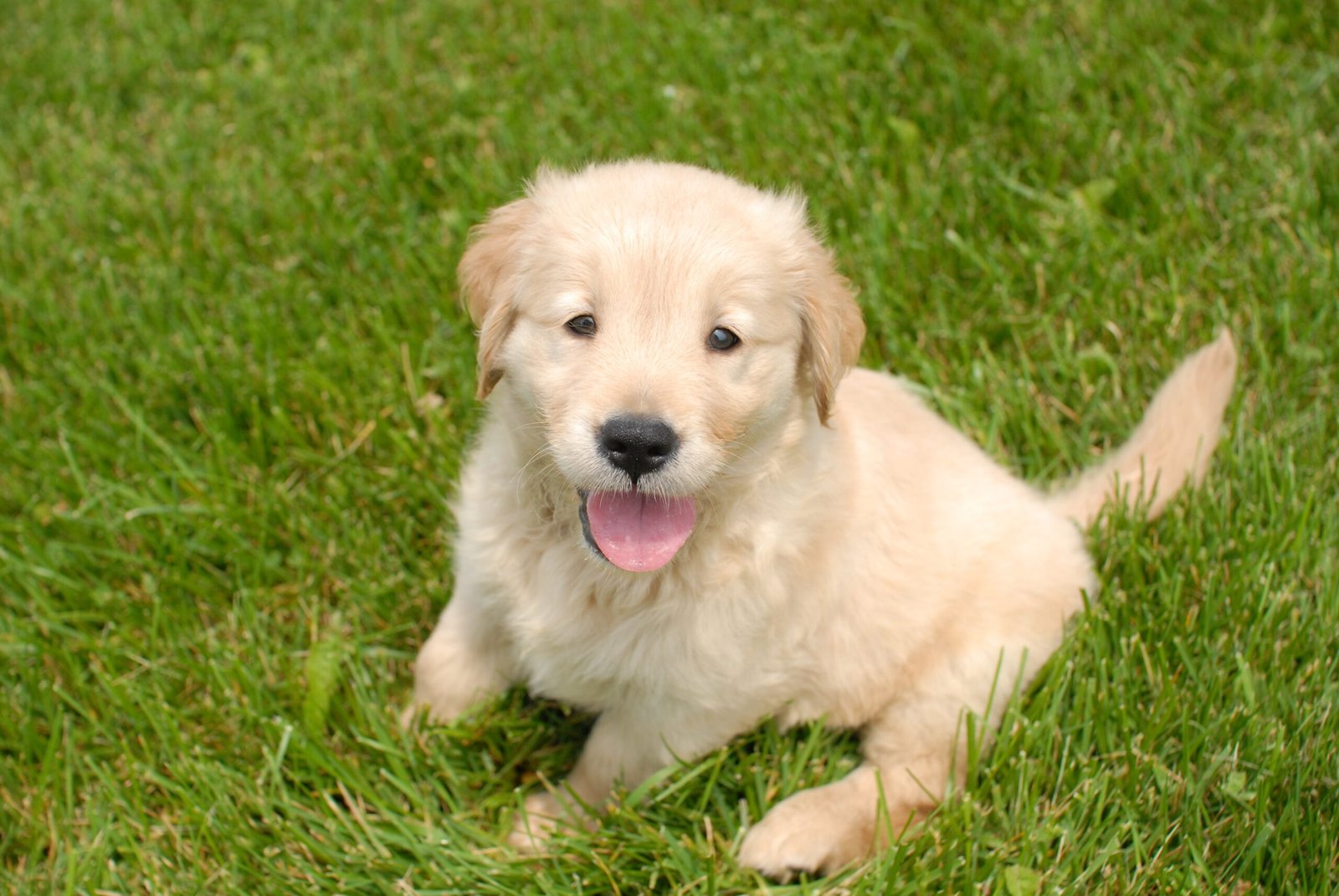
Our Potty Training Success Plan I still remember the day we brought Jasper, our little eight-week-old Golden Retriever, home. He was a fluffy, adorable whirlwind… who promptly left a puddle on our favorite rug. At that moment, I felt a wave of panic. How were we going to get this right? The truth is, golden retriever potty training felt like a mystery, but I learned it’s not about magic—it’s about partnership. If you’re feeling overwhelmed, take a deep breath. You can do this. We learned that success comes down to three things: a consistent schedule, the right den (crate), and endless positivity. Why Golden Retriever Potty Training is Different Here’s the most important thing to know: Golden Retrievers are incredibly sensitive and famously “eager-to-please.” This is your greatest tool. Punishing a Golden for an accident (like scolding or rubbing their nose in it) doesn’t teach them to “go outside.” It teaches them “don’t let my human see me go.” This creates fear, and a scared puppy will just find a hidden spot to have an accident. Effective house training golden retriever puppies is a partnership. Your job is to provide clear, consistent communication. Their job is to be their amazing, eager-to-please selves. Your Puppy Potty Training Toolkit Before Jasper came home, we set up a “potty training kit.” Trust me, you don’t want to be running to the store when an accident happens. A Quick Note on Your Two Most Important Tools Our 3 Pillars for Dog Potty Training Success This is the exact dog toilet training system we used for Jasper. Pillar 1: Crate Training (as a Positive “Den”) The crate is a management tool to prevent accidents, not a punishment. We made Jasper’s crate his favorite place by feeding him his meals inside and tossing treats in for him to find. He learned it was his safe, cozy den. Pillar 2: A Rigid Potty Schedule for Dogs (Be a Clock) Puppies thrive on routine. A rigid schedule was the single most important factor in our success. We took Jasper out on a leash: My Personal Pro-Tip: Always use a leash, even in a fenced yard. It keeps them on task and ensures you are right there to reward them the instant they finish. Pillar 3: Positive Reinforcement (The ONLY Way) This is the fun part! The second Jasper finished, we had a “potty party.” We used enthusiastic praise (“Good boy, Jasper! Go potty!”) and gave him a high-value treat immediately. He quickly learned that going potty outside was the best thing in the world. This positive association is what makes house training a dog work. Troubleshooting: What to Do When… You Catch Them Having an Accident? Don’t yell! Make a sharp, sudden noise (like a quick “Ah!” or a clap) to interrupt them. Immediately scoop them up and rush them outside to their designated potty spot. If they finish outside, praise them like they just won an award. You Find an Accident Later? Do nothing. To the puppy, anyway. Punishment after the fact is completely ineffective; they can’t connect your anger to the puddle they left ten minutes ago. This was a “human failure” for not supervising. Just clean it up thoroughly with your enzymatic cleaner and promise to watch them more closely. Your Puppy Cries All Night? (The “Boring Potty Break”) Jasper tried this. He’d cry, we’d take him out, and he’d just want to play. We quickly learned the “boring potty break.” When your puppy cries at night, take them from the crate on a leash directly to their spot. No talking, no petting, no playing. Give them 5 minutes. If they go, quiet praise and right back in the crate. If they don’t, right back in the crate. They learn very fast that nighttime crying is only for potty, not for play. How Long Does Puppy Potty Training Really Take? Be patient. Jasper understood the pattern (outside = good) in about two weeks. But he wasn’t fully reliable (having full bladder control) for a good 4-6 months. As a rule of thumb, a puppy can hold it for about one hour per month of age. Potty training golden retriever puppy is a marathon, not a sprint. There will be good days and bad days. But one day, it just clicks. Be patient with your puppy, and be patient with yourself. You’ve got this! Quick Questions- FAQs 1. How long does it take to potty train a Golden Retriever? A puppy can learn the pattern in 1-2 weeks. However, full, reliable bladder control and being “completely” trained can take 4-6 months or more. 2. What do I do if my puppy has an accident in the crate? The crate is likely too big; use the divider to make it smaller. Also, ensure you aren’t leaving them longer than they can physically hold it. 3. Why did my trained puppy suddenly start having accidents? First, see your vet to rule out a medical issue like a UTI. This “regression” is often due to owner complacency. Go back to a strict schedule. 4. Should I punish my Golden Retriever for an accident? No, never. Goldens are too sensitive. Punishment creates fear and leads to hiding. Only use positive reinforcement for success and interrupt or ignore accidents. 5. How do I teach my puppy to signal they need to go out? Bell training is great! Hang bells on the door and ring them every time you go out. Soon, your puppy will nudge the bells to ask to go out.
A Peek Inside Jasper’s Golden Retriever Daily Routine (And Why It Works)
A Quick Look at Our Day As a Golden Retriever parent, I used to be baffled by one thing. How could my dog, Jasper, come back from a long walk, pant for two minutes, and then immediately drop a slobbery ball at my feet, looking at me like, “Okay, what’s next?” I’d given him physical exercise, so why was he still restless? It wasn’t until I truly understood the breed that I had my “aha!” moment. Goldens were bred to work—to retrieve, to think, and to problem-solve alongside their humans. That long walk was great for his body, but his brain was still bored, and a bored Golden is an unemployed Golden. That’s when I realized the secret to a happy, well-behaved dog wasn’t just a dog daily care checklist; it was a flexible golden retriever daily routine that balanced both body and brain. Here’s a peek at what our day with Jasper looks like. Why Do Golden Retrievers Need a Daily Routine So Badly? Before diving in, I want to share this one crucial tip: a daily dog routine is less for you and more for them. It’s not about a rigid, military-style schedule. It’s about creating predictable patterns that build your dog’s confidence. When Jasper knows what to expect—that a morning walk always follows wake-up, and that quiet time follows breakfast—he’s less anxious and can truly relax. This predictability is a psychological anchor for him. What Does Our Adult Golden Retriever’s Morning Routine Look Like? Our morning is all about “waking up the brain” in a calm, structured way. How Do We Handle the Mid-Day Dog Activity Plan? I work from home, so I have some flexibility. But even if you don’t, building in a small mid-day break is a game-changer. What’s in Our Golden Retriever’s Night Routine? The evening is when we focus on burning off that big-dog physical energy that’s been stored up all day. A Flexible Routine is a Happy Routine This is the golden retriever daily routine that works for Jasper. Some days, our walk is shorter, or our fetch session is longer. The key isn’t the clock; it’s the balance. If you’re struggling with a restless, “naughty” Golden, ask yourself: “Did I just exercise their body, or did I exercise their brain, too?” According to the American Kennel Club, this breed is all about “eager, alert, and self-confident” energy. Giving that energy a job—through enrichment, training, and sniffing—is the real secret. Frequently Asked Questions (FAQs) Q: How much exercise does a Golden Retriever need daily? A: An adult Golden Retriever needs 1-2 hours of exercise daily. This should be a mix of physical activity, like running, and mental exercise, like sniffing walks. Q: How do I create a daily schedule for a Golden Retriever puppy? A: A puppy schedule should focus on consistency. Use the “1-hour-up, 2-hours-down” rule for naps, and take them out for potty breaks immediately after waking, eating, and playing. Q: How do I keep my Golden Retriever from being bored? A: A walk is not enough! Use puzzle feeders for meals, play short training games, and let them sniff on walks. A “bored” Golden is often an “unemployed” Golden. Q: How many hours a day does a Golden Retriever sleep? A: Adult Goldens sleep about 12-14 hours a day, often napping when the house is quiet. Puppies are different and can sleep up to 20 hours a day. Q: Is a daily routine really that important for my dog? A: Yes. A predictable daily dog routine builds confidence and reduces anxiety. Your dog feels secure when they know what positive things to expect throughout the day.
What My Golden Eats in a Day
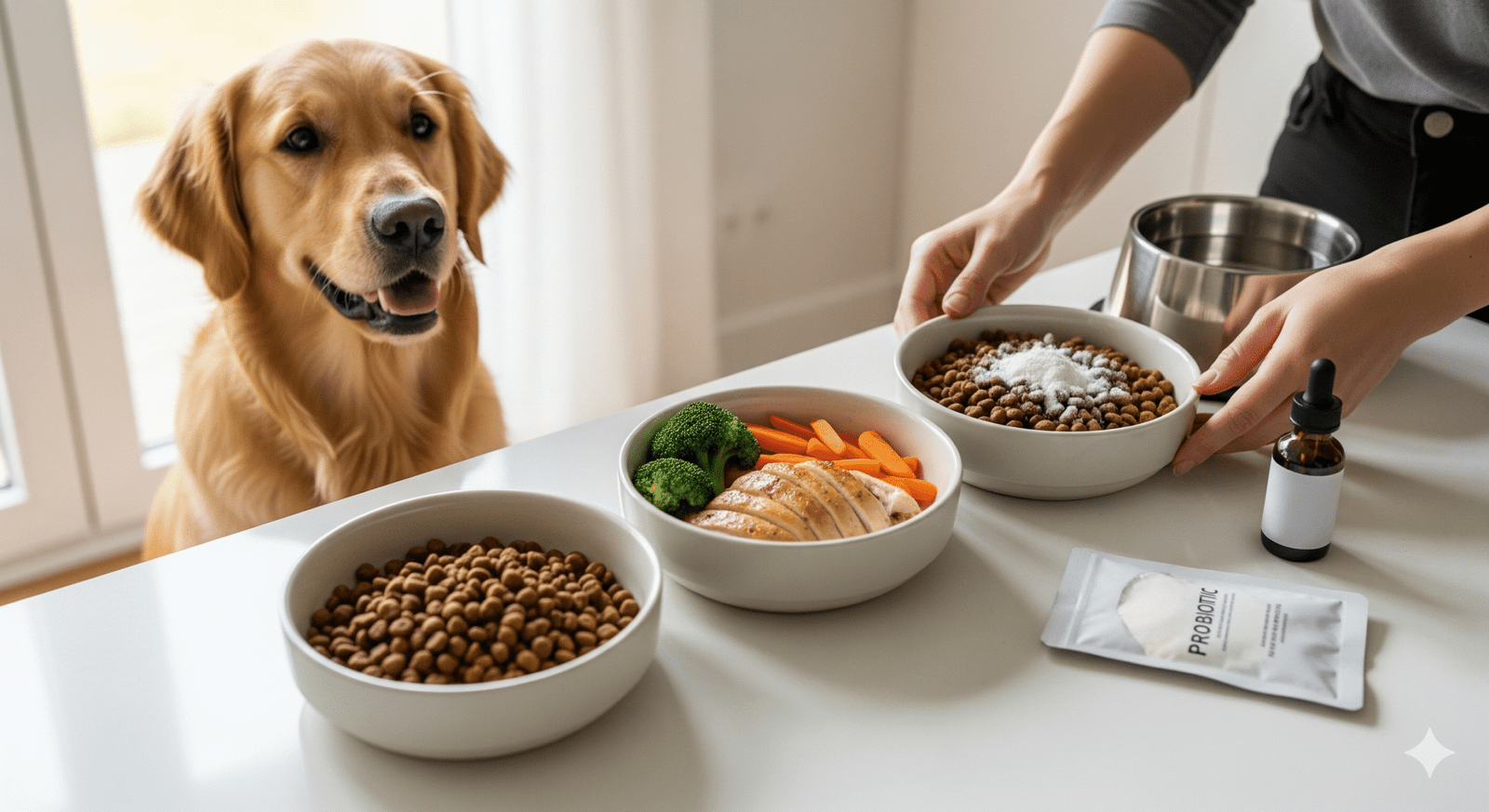
As a proud golden retriever mom, I’ve learned that feeding Jasper well isn’t just about filling his belly—it’s about fueling a healthy, happy life tailored to his breed’s unique needs. Golden retrievers are active, loving dogs that thrive on balanced nutrition designed especially for them. Over time, I’ve developed a thoughtful routine that keeps Jasper energetic, shiny-coated, and feeling his best. Here’s a peek into what my golden eats in a day, along with my tips for maintaining a wholesome golden retriever diet. Why Breed-Specific Nutrition Matters Every dog is special, but certain breeds have specific nutritional needs. For goldens like Jasper, who are prone to joint issues and skin sensitivities, it’s crucial to feed them with their unique health concerns in mind. Choosing the right foods and meal schedule can help prevent issues like obesity, arthritis, and allergies later on. By researching canine nutrition guidelines and consulting our vet, I ensure Jasper’s dietary plan fits his breed’s lifestyle perfectly. Morning Meal: Breakfast Power-Up Jasper’s day always starts with a nutrient-packed breakfast designed for sustained energy. Typically, his morning bowl includes a high-quality dry kibble formulated especially for large breeds, enriched with proteins and moderate fats to fuel his active day. To boost his coat health and reduce inflammation, I mix in a spoonful of wet food or cooked chicken for extra moisture and taste. This meal provides a balanced ratio of protein, carbs, and fats, which supports muscle health and brain function—key for a lively retriever like Jasper. Midday Snacks: Healthy Treats and Small Meals Since Jasper loves to be active throughout the day, I break up his feeding with some thoughtful snacks that keep him focused without packing on extra calories. My go-to healthy dog meals for midday treats include: Dinner Meal: Evening Fuel and Family Time Dinner is a bit heartier and designed to replenish Jasper after his afternoon walks or play sessions. I usually serve a balanced combination of kibble and a protein-rich homemade mix—for example, lean ground turkey with steamed sweet potatoes and green beans. This meal focuses on a balanced diet for dogs with essential vitamins, fiber, and antioxidants to support digestion and immune health. Portion control is key here, as feeding too much in the evening can lead to weight gain, which is something I watch closely with a breed that’s prone to obesity. Supplements and Vitamins for My Golden To support Jasper’s overall health, I incorporate targeted dog supplements recommended by our vet. These include: Hydration and Treats: The Daily Essentials Hydration is often overlooked but is just as important as food. Jasper always has access to fresh, clean water throughout the day, and I make sure to refill his bowl frequently, especially after exercise. For treats, I lean towards low-calorie options and natural chews that keep him engaged without extra calories. This helps reinforce good behavior while maintaining his ideal weight. Activity and Meal Timing: Synchronizing Food and Exercise Jasper’s feeding routine is carefully timed to complement his activity level. I avoid feeding him immediately before or after strenuous exercise to avoid digestive issues, instead allowing about an hour between meals and walks or playtime. Typically, he eats breakfast, then enjoys morning activity, has a snack mid-day, and finishes with dinner after his evening exercise. This schedule keeps his metabolism steady and his energy balanced throughout the day. Wrapping Up: A Balanced Diet for a Happy Golden Feeding Jasper well requires planning, a good eye for nutrition, and a little trial and error. But seeing his wagging tail, shiny coat, and healthy energy makes it worth every effort. A well-structured dog daily meal plan that includes breed-specific proteins, wholesome snacks, essential supplements, and lots of fresh water goes a long way toward keeping your golden retriever thriving. In the end, what my golden eats in a day isn’t just about food—it’s about love, care, and giving him the best chance at a long, joyful life by my side.
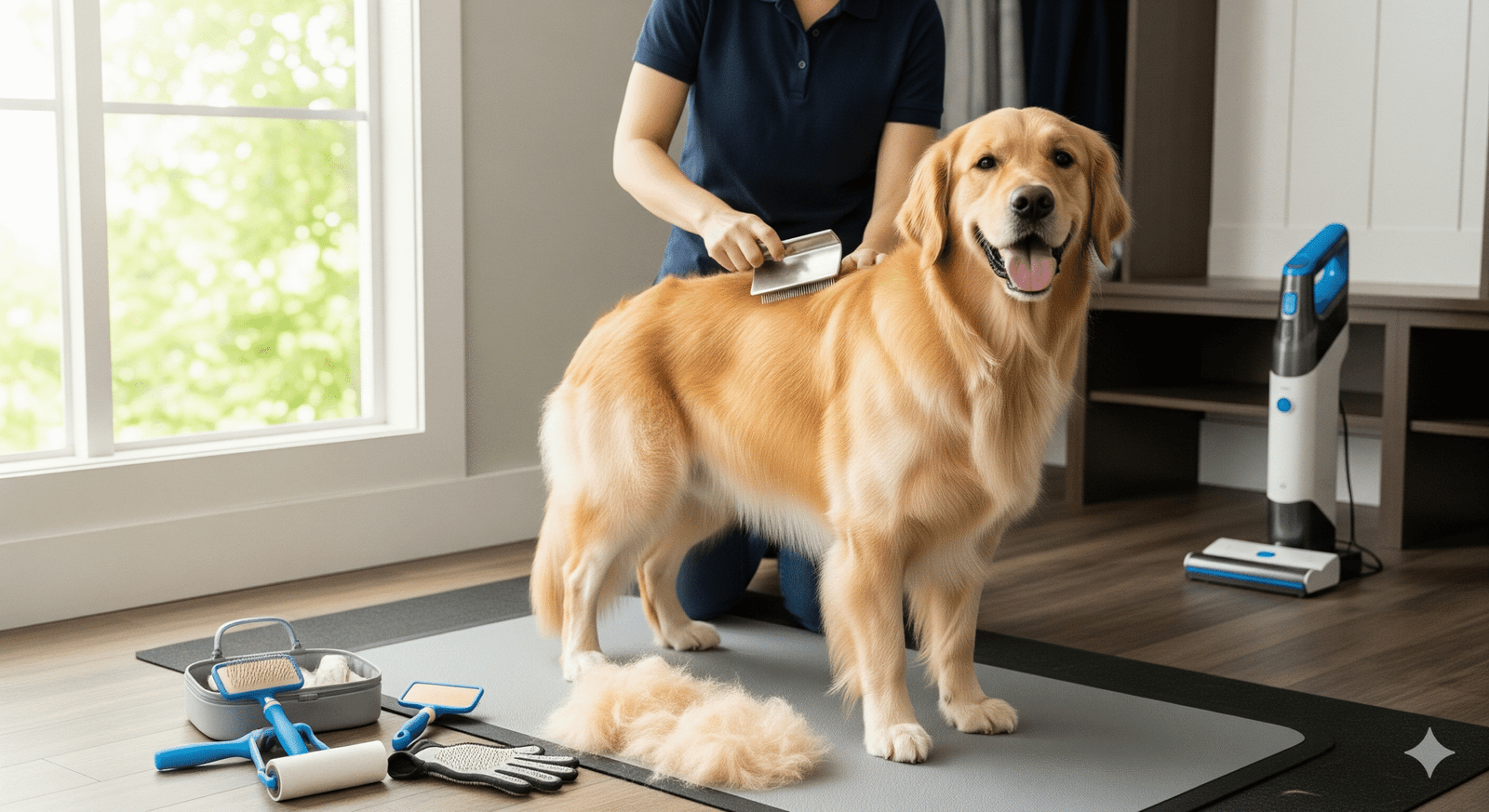
How I Manage Shedding Season Like a Pro
If you’re a dog parent like me, you know the struggle: dog hair on the couch, on your clothes, and somehow even in your morning coffee. My golden retriever, Jasper, is the sweetest, most loyal companion—but when shedding season rolls around, it feels like I’m living with a furry snow globe. Over the years, I’ve learned a few tricks to keep both Jasper and my home comfortable through this hairy time. Here’s exactly how I manage shedding season like a pro, so you can too. Why Dogs Shed Before I dive into the tips, it’s worth understanding why dogs shed in the first place. Shedding is natural—it’s how dogs get rid of dead or damaged hair and regulate their body temperature. Jasper has a beautiful double coat, which means twice the fluff and twice the shedding during spring and fall. Seasonal shedding happens because dogs grow thick coats in the winter for warmth, then release all that extra fur when the temperatures shift. Some breeds shed lightly year-round, while others, like Jasper, “blow their coat” seasonally in big tufts. Once I understood this cycle, managing it became a lot less stressful. Grooming Tools and Techniques My first shedding season with Jasper, I bought every brush I could find. Some worked, most didn’t. Now, I rely on just a few essentials that actually make a difference: My Daily Grooming Routine Consistency is everything during shedding season. Here’s Jasper’s routine: Supporting Shedding Through Diet and Supplements I quickly realized grooming alone wasn’t enough. A dog’s diet plays a huge role in coat health and how much they shed. Jasper’s vet recommended high-quality food rich in omega-3 fatty acids for dogs, which help reduce inflammation and promote skin and coat health. I supplement with fish oil capsules designed for dogs, and the difference has been noticeable—his fur is glossier, and his skin less flaky. I’ve also experimented with dog coat health supplements that include vitamins like biotin and zinc. Used consistently, they’ve helped Jasper’s fur grow stronger and shed less. If your pup struggles with dryness or flaky skin, this step may be worth exploring. Keeping My Home Clean and Hair-Free No matter how much I brush Jasper, dog hair has a way of sneaking onto every surface. Over time, I’ve built a system to keep my home from looking like it belongs to a tumbleweed. When to Call the Vet Sometimes, excessive shedding can point to health issues like parasites, allergies, or underlying skin conditions. Last summer, Jasper developed unusually dry skin and started losing patches of hair. A quick vet trip revealed it was due to seasonal allergies. A medicated shampoo and minor diet adjustment solved it in just a few weeks. If you notice bald spots, scabs, or if your pup is scratching excessively, it’s a good idea to schedule a veterinary check-up. It’s always better to catch problems early. Wrapping It All Up Managing shedding season doesn’t have to turn into a full-time job. With the right grooming tools, a consistent routine, healthy nutrition, and a solid cleaning strategy, your home can stay manageable—and your pup can stay comfortable. For Jasper and me, shedding season is just another way I’ve learned to care for him, rather than fight against nature. It’s part of the deal when you love a dog with a beautiful coat. The best part? Our daily brush sessions have become a bonding time, and Jasper now runs over happily when he sees his brush. So if you’re staring at tufts of fur on your carpet right now, take a deep breath—it gets easier. Trust me, with just a little practice, you’ll be managing dog shedding season like a pro in no time.
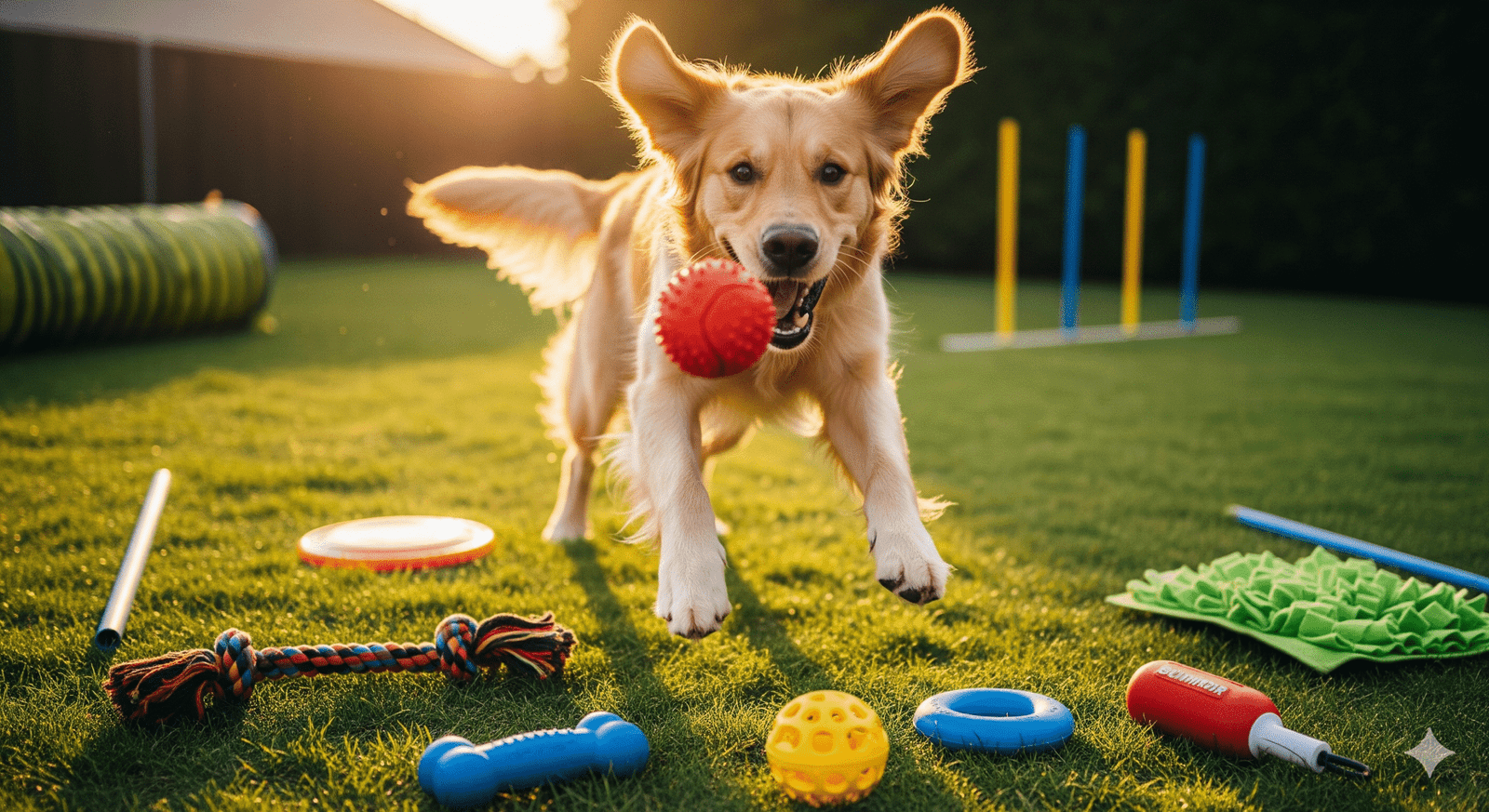
10 Ultimate Best Toys for High-Energy Retrievers to Keep Them Busy
High-energy retrievers are bundles of joy and energy. They need toys that can keep up with their zest for life. Choosing the right toys is crucial for their happiness and health. The best toys can provide both physical and mental stimulation. Interactive dog toys and brain games for dogs are excellent choices. They engage retrievers’ minds and prevent boredom. Fetch toys for dogs and rubber dog balls are perfect for active play. They satisfy retrievers’ natural instincts to chase and retrieve. Explore our guide to find the ultimate toys for your high-energy retriever. Keep them busy and content! Understanding High-Energy Retrievers High-energy retrievers are spirited and always ready for action. They require plenty of exercise and mental challenges. Without this, they may exhibit destructive behavior. Key Needs of High-Energy Retrievers: Meeting these needs ensures a happy, healthy pet. Characteristics of High-Energy Retrievers Retrievers brimming with energy are easy to spot. They’re constantly on the go and eager to play. Their natural enthusiasm drives them to explore and learn. Traits Often Seen in High-Energy Retrievers: These traits make them wonderful companions but in need of constant engagement. Why Play is Essential Playtime is crucial for high-energy retrievers to burn off energy. It keeps them fit and prevents anxiety. Interactive play offers mental challenges, which are just as important as physical exercise. Reasons Play is Vital: Make play a daily ritual to ensure your retriever stays content. Interactive Dog Toys Interactive dog toys are game-changers for high-energy retrievers. They combine fun and brain-stimulating activities. These toys keep your retriever engaged and reduce boredom-induced behavior. Make sure to select toys that challenge and entertain your pet. This proactive approach ensures they’re mentally engaged. Types of Interactive Dog Toys: Each toy type offers unique benefits to your energetic retriever. Benefits of Interactive Toys Interactive toys offer more than just fun. They exercise your retriever’s mind, crucial for mental health. Such toys can improve a dog’s problem-solving skills and prevent destructive habits. Engaging your pet for longer periods helps offset their energetic nature. Key Benefits Include: Keep your retriever’s mind sharp with the right interactive toys. Top Recommendations When choosing interactive toys, consider durability and interest. Select toys designed specifically for high-energy breeds. Ensure they are safe and non-toxic as well. Explore options that cater to your pet’s preferences and needs. Recommended Interactive Toys: These toys promise hours of enjoyable, stimulating play for your retriever. Brain Games for Dogs Brain games for dogs are essential tools for maintaining a sharp, engaged mind. Retrievers, known for their intelligence, thrive on these stimulating challenges. In addition to physical exercise, brain games provide mental workouts that are critical for overall well-being. Engaging your retriever in brain games can greatly enhance their cognitive functions. These activities also help curb undesirable behaviors caused by boredom. Types of Brain Games: Brain games encourage problem-solving and creativity, keeping retrievers mentally fit. Importance of Mental Stimulation Mental stimulation keeps retrievers from becoming restless and bored. It is as vital as physical exercise for overall health. A lack of mental activity can lead to anxiety and destructive behaviors. Benefits of Mental Stimulation: Incorporate brain games into your retriever’s routine to reap these rewards. Best Brain Games for Retrievers Choosing the right brain games ensures your retriever remains engaged and challenged. Look for games that tap into their natural instincts and abilities. Games should be age-appropriate and match their skill level. Top Brain Games: These options provide engaging challenges that stimulate your retriever’s brain effectively. Stimulating Dog Toys Stimulating dog toys capture a retriever’s interest and keep their energy focused. These toys incorporate elements that challenge both their mind and body, offering endless entertainment. High-energy retrievers benefit immensely from toys that offer more than just fetching. Such toys often include interactive features that engage a dog’s senses. This engagement helps maintain mental alertness and encourages active play. Types of Stimulating Toys: Each of these toys offers unique ways to keep retrievers entertained and active. Features of Stimulating Toys The best stimulating toys are designed to intrigue and excite. They often come with varying textures, sounds, or moving parts that attract a dog’s attention. Retrievers thrive on toys that encourage active participation, challenging them continuously. Key Features to Look for: Toys with these features ensure long-lasting appeal and satisfaction for high-energy retrievers. Best Stimulating Dog Toys Selecting the best stimulating toys can transform your retriever’s playtime. Choose toys with proven success in keeping dogs engaged. Opt for toys made from durable materials to withstand intense play. Top Picks for Stimulating Toys: These top-rated toys provide a stimulating experience, encouraging both mental and physical activity. Fetch Toys for Dogs Fetch toys are an essential part of any retriever’s playtime. These toys satisfy their natural instinct to chase and retrieve. High-energy retrievers require toys that withstand tough play and constant fetching. Providing a variety of fetch toys can help keep a retriever physically active and mentally stimulated. Many fetch toys are designed to be thrown long distances, ideal for burning off excess energy. Popular Fetch Toy Types: These toys cater to retrievers’ instinctual love for chasing. Why Retrievers Love Fetch Fetch taps into a retriever’s natural instincts. The thrill of the chase is inherent in their DNA. Retrievers experience immense joy while playing fetch, as it fulfills their need for physical exercise. Benefits of Fetch: Fetch games keep retrievers happy and healthy through engaging exercises. Best Fetch Toys for High-Energy Retrievers Selecting the right fetch toys ensures a fun and safe playtime. The best toys are durable and designed for robust activities. These toys not only entertain but also challenge a retriever’s physical endurance. Top Fetch Toys: Choose toys that meet your retriever’s energy levels for maximum enjoyment. Rubber Dog Balls Rubber dog balls are a staple toy for high-energy retrievers. Their durable design makes them perfect for endless games of fetch. Retrievers benefit from the bounce that rubber balls provide, which keeps them entertained and active. These balls are designed to endure heavy chewing and rigorous
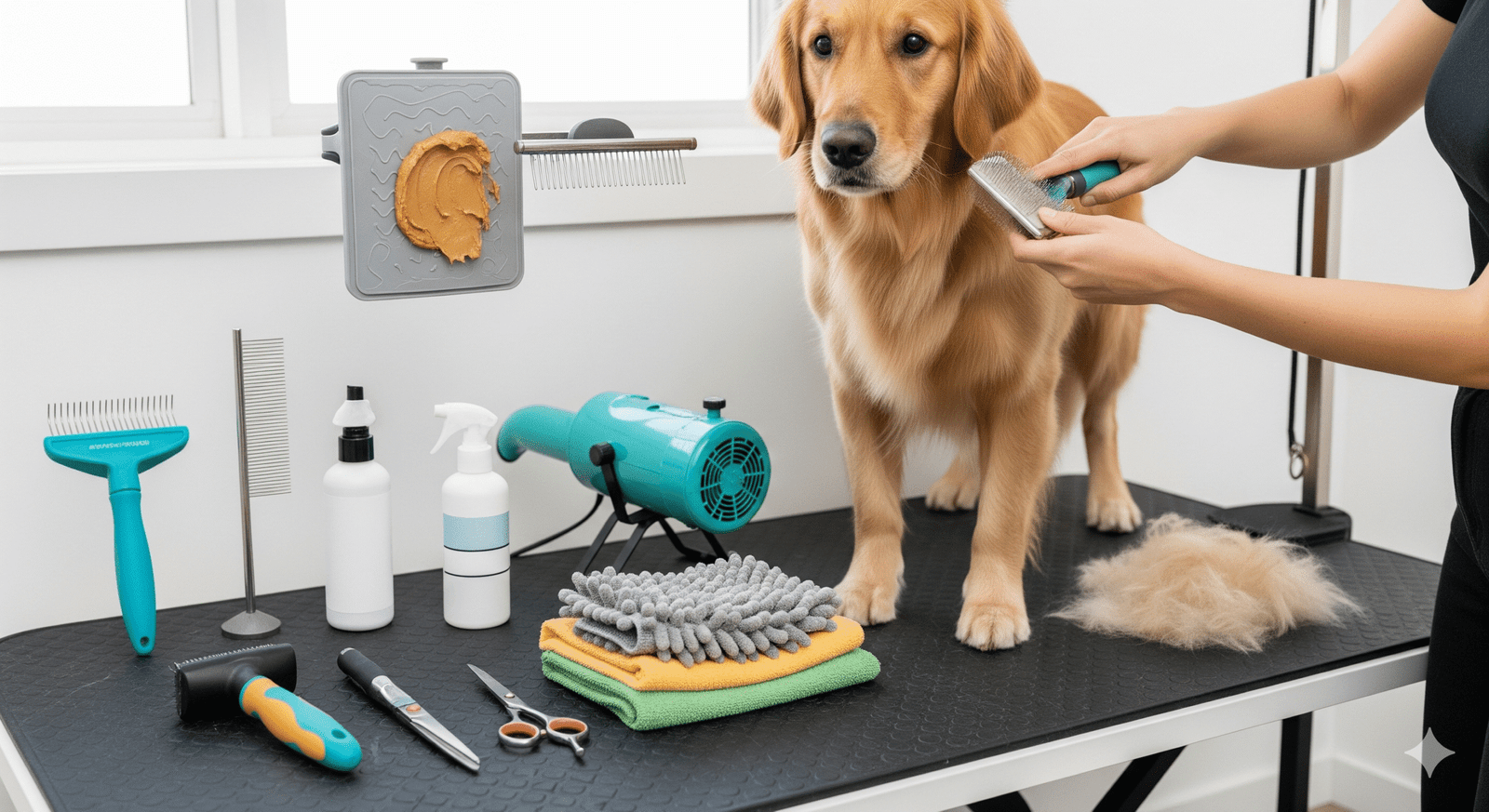
10 Golden Grooming Hacks Every Owner Should Know to Maintain a Healthy Coat
Golden Retrievers possess one of the most beautiful and distinctive coat types in the canine world, requiring specialized grooming techniques to maintain optimal health and appearance. Their double-coat structure, consisting of a dense water-repellent outer layer and soft insulating undercoat, demands consistent care to prevent matting, reduce shedding, and promote skin health. Understanding breed-specific grooming requirements ensures your Golden maintains both aesthetic appeal and dermatological wellness. Golden Retriever Grooming Tips Understanding the Unique Coat of Golden Retrievers Golden Retrievers feature a complex double coat designed for water retrieval work, with the outer guard hairs providing protection while the undercoat offers insulation. This coat structure requires specific grooming approaches that differ significantly from single-coated breeds. Research demonstrates that coat quality assessment includes evaluating alopecia, glossiness, greasiness, softness, and scaliness, making systematic grooming essential for maintaining optimal coat health. Importance of Regular Grooming Regular grooming prevents serious health complications including severe matting, skin infections, and chronic dermatological conditions. Studies reveal that grooming-related concerns represent a significant but overlooked topic in companion animal welfare, with matting and poor coat maintenance leading to painful conditions requiring veterinary intervention. Consistent grooming routines prevent these issues while strengthening the human-animal bond through positive handling experiences. Essential Grooming Tools for Golden Retrievers Recommended Brushes Pin brushes with rotating pins work effectively for daily brushing, while slicker brushes remove loose undercoat during seasonal shedding periods. Undercoat rakes penetrate deep into the double coat to remove dead hair before it mats. High-quality tools reduce grooming time while being gentler on your dog’s skin and coat structure. Clippers and Trimmers Professional-grade clippers with adjustable blades allow for precise trimming around paws, ears, and sanitary areas. Thinning shears help blend coat transitions naturally without creating harsh lines. Quality tools maintain sharpness longer and reduce pulling that can cause discomfort during grooming sessions. Bathing Supplies Specialized dog shampoos maintain the coat’s natural pH balance while addressing specific skin conditions. Research shows that plant extract-based shampoos and mousses safely improve coat quality in dogs with keratinization disorders, achieving 91% improvement in coat appearance within 24 days. Quality bathing supplies should include moisturizing conditioners that enhance coat softness and manageability. Dog Bathing Tips Preparing Your Dog for a Bath Thorough brushing before bathing prevents matting when wet fur shrinks and tangles tighten. Remove all loose hair and debris to ensure even soap distribution and effective cleaning. Pre-bath preparation reduces stress and makes the bathing process more efficient for both dog and owner. Choosing the Right Shampoo Skin and coat-specific formulations address individual needs while maintaining the coat’s protective properties. Studies demonstrate that specialized shampoos containing plant extracts rapidly improve coat quality without affecting natural moisture factors. Avoid human shampoos that can disrupt the dog’s skin pH and strip essential oils. Effective Bathing Techniques Water temperature should be lukewarm to prevent skin irritation and thermal stress. Work shampoo through the coat systematically, starting from the neck and working backward. Research on repeated bathing shows that daily bathing for 14 days significantly impacts dermal microbiota, emphasizing the importance of appropriate bathing frequency. Thorough rinsing prevents residue buildup that can cause skin irritation and dullness. Skin Care for Dogs Recognizing Skin Issues Early detection of skin problems prevents more serious complications requiring intensive veterinary treatment. Common signs include excessive scratching, redness, unusual odor, or changes in coat texture. Skin assessment should include evaluation of scaling, greasiness, and overall condition to identify potential issues before they become severe. Moisturizing Treatments Appropriate moisturizing maintains skin barrier function while preventing dryness and irritation. Research shows that certain grooming products maintain natural skin hydration levels without disrupting the skin’s protective mechanisms. Quality moisturizers designed for dogs help maintain optimal skin health between bathing sessions. Ear Cleaning for Dogs Importance of Ear Cleaning Regular ear cleaning prevents bacterial and fungal infections that commonly affect Golden Retrievers due to their pendant ear structure. Studies show that bacterial and fungal growth occurs in all ear samples from dogs with ear problems, making preventive cleaning crucial. Proper ear hygiene reduces the risk of chronic otitis externa that requires extensive medical treatment. How to Safely Clean Your Dog’s Ears Use veterinary-approved ear cleaning solutions that have proven antimicrobial properties against common pathogens. Research demonstrates that various ear cleaning solutions show different antimicrobial activities against bacteria commonly found in canine ears. Gentle cleaning techniques prevent damage to the delicate ear canal structures. Never use cotton swabs deep in the ear canal, as this can cause injury or push debris deeper. Studies indicate that proper cleaning should be performed under veterinary guidance to prevent complications like hearing loss. Maintaining Healthy Coat Regular Brushing Daily brushing during shedding seasons and every other day during normal periods prevents matting and reduces household hair accumulation. Systematic brushing stimulates natural oil distribution throughout the coat, enhancing shine and texture. Quality brushing removes up to 90% of loose hair before it falls naturally. Nutritional Considerations Trace mineral supplementation significantly impacts coat quality in senior dogs, with research showing that amino acid-complexed minerals improve haircoat appearance compared to inorganic sources. Organic trace mineral sources including zinc, manganese, copper, and iron demonstrate superior bioavailability for coat health maintenance. Quality nutrition forms the foundation of healthy coat development from the inside out. Managing Shedding Golden Retrievers shed year-round with intensive seasonal periods requiring modified grooming routines. Increased brushing frequency during spring and fall helps manage the natural coat renewal process. Proper nutrition and regular grooming reduce excessive shedding while maintaining coat health throughout the year. Grooming Schedule for Golden Retrievers How Often to Groom Professional grooming every 6-8 weeks maintains optimal coat shape and health, while daily brushing and weekly ear cleaning form the foundation of home care. Bathing frequency depends on lifestyle and coat condition, typically every 4-6 weeks for most Golden Retrievers. Seasonal adjustments accommodate increased shedding periods that require more intensive grooming attention. Conclusion Maintaining a healthy Golden Retriever coat requires consistent daily care, appropriate tools, and understanding of breed-specific needs. These ten grooming hacks—from proper brushing techniques to nutritional support—create a comprehensive approach to coat health that prevents problems before they develop. Regular grooming not only maintains appearance but promotes overall health and strengthens the bond between you and your Golden Retriever. FAQs How often should I brush my Golden Retriever? Daily brushing during shedding seasons and every other day during normal periods maintains optimal coat health. What type of shampoo is best for Golden Retrievers? Use dog-specific shampoos that maintain natural pH balance, with
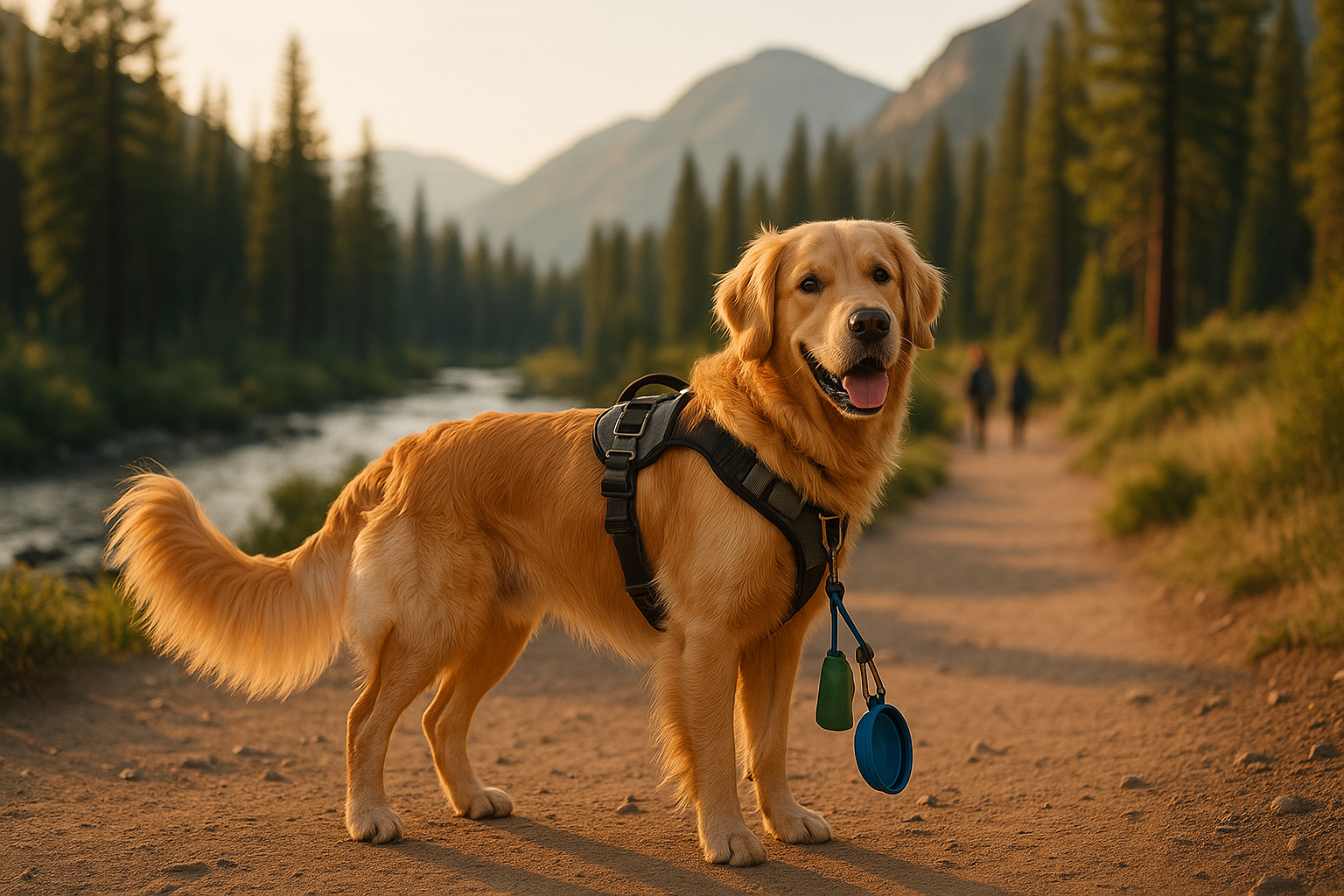
The Ultimate Guide to Golden Retriever-Friendly Parks & Outdoor Adventures
Hi, I’m Jasmin, and this is my loyal golden retriever, Jasper. If you’re like us, you know that exploring nature with your four-legged friend is one of life’s greatest joys. Golden retrievers, with their boundless energy and friendly personalities, excel in open spaces where they can run, play, and socialize. Today, Jasper and I want to share our top recommendations for golden-friendly parks that offer the perfect outdoor experience for you, your dog, and the whole family. Why Golden Retrievers Thrive in the Great Outdoors Golden retrievers have a natural love for exercise, a strong affinity for water, and a friendly, social disposition. Outdoor physical activity combined with mental stimulation is key to keeping them happy, strong, and healthy. Activities like a brisk hike, a swim in a lake, or a visit to a dog park not only benefit your pet but also strengthen the bond you share. Our Favorite Types of Dog-Friendly Locations to Explore Here are some of the top picks for dog-friendly parks and trails where Jasper and I always have a blast. Spacious Off-Leash Parks We love parks that feature extensive off-leash areas where Jasper can run freely and socialize. These designated, fenced areas give him a secure space to burn off energy and make new friends, all while I can relax knowing he’s safe. Shaded Hiking Trails Hiking on tree-lined trails is one of our family’s favorite activities. The shade provides a perfect way for dogs to stay cool during warmer months while enjoying the natural scenery. The best dog-friendly trails also offer spots for water breaks to keep your golden retriever hydrated. Lakeside and Beach Getaways Jasper is a water-lover through and through. Parks with access to lakes or waterfronts make for an unforgettable experience. Splashing and swimming is the perfect way for him to cool down, and I get to enjoy the tranquil environment. Just remember to bring fresh water and towels to keep your dog comfortable! All-in-One Family-Friendly Parks Parks that offer a variety of activities, including playgrounds, picnic areas, and walking paths, are ideal destinations for the whole family. These spots are perfect for a full day out, where everyone can enjoy the outdoors while Jasper has plenty of space to play. Our Go-To Outdoor Activities for Dogs We like to mix things up to keep Jasper physically and mentally engaged. Here are some of our favorite activities: Tips for a Perfect Day at the Park Start Your Own Adventure! Our outdoor explorations at golden-friendly parks have become a cherished weekly tradition. Jasper gets his essential exercise and social time, and I get to relax, connect with nature, and spend quality time with my happy companion. These places offer boundless opportunities for both dogs and their owners, from active adventures to peaceful relaxation by the water. So grab your leash, pack some snacks, and start exploring the dog-friendly parks and trails near you. Your golden retriever will thank you with plenty of excited tail wags and happy paws! Happy adventures from Jasper and me!
The Essential Guide to Your Training Journey: From Puppy to Pro
Embarking on a training journey with your dog is a rewarding experience. It transforms a playful puppy into a well-mannered companion. This guide will help you navigate each step of the process. From basic obedience to advanced skills, we cover it all. Training a dog requires patience and consistency. These are the keys to success in any training program. Whether you have a new puppy or a rescue dog, this guide is for you. We provide practical tips and techniques. Understanding your dog’s development is crucial. It helps tailor the training to their needs and milestones. Housebreaking a puppy can be challenging. But with the right approach, it becomes manageable and effective. Socialization and obedience are essential components. They ensure your dog is well-adjusted and confident. Join us on this journey from puppy to pro. Let’s make training a fun and fulfilling experience for both you and your dog. Understanding Puppy Development Puppyhood is a crucial time for development. Each stage offers unique challenges and opportunities. Understanding these stages helps tailor effective training. Puppies grow rapidly. Their physical and mental growth influences their behavior and learning ability. Adapting training to their development ensures success. During the first few months, puppies experience important milestones. They begin exploring their surroundings and testing boundaries. This curious phase is perfect for introducing basic commands. Socialization is key during early development. Positive interactions with people and animals promote healthy behavior. It’s crucial to expose puppies to diverse experiences during this time. A consistent schedule supports development. Regular feeding, play, and rest are important to establish. Consistency in routine helps your puppy learn expectations and adapt smoothly. Puppy Milestones Puppies go through several milestones in their early months. Recognizing these can guide the training process effectively. Each milestone presents an opportunity to reinforce desired behavior. Each milestone marks a step in their journey. By understanding these stages, you can offer appropriate training and support. The Importance of Early Training Early training establishes a foundation for future learning. It promotes good behavior and prevents bad habits. Starting early helps puppies learn quickly. They are more receptive to new information and can form positive associations easily. This is essential for building basic skills. An early focus on socialization and obedience is crucial. It builds confidence and helps your puppy adapt to new environments. By introducing them to different settings and scenarios, you prepare them for a lifetime of positive interactions. In summary, investing in early training pays off. It sets the stage for a well-rounded, well-behaved dog. Getting Started with Puppy Training Training your puppy is an exciting adventure. It’s about building a relationship and shaping their behavior. A structured approach ensures effective learning and bonding. Start by creating a welcoming environment. Safe, comfortable spaces encourage focus and learning. Consider noise levels and potential distractions in the training area. Choose training tools wisely. Leashes, harnesses, and treats can aid the process. It’s crucial to use them effectively to reinforce good behavior. Develop a consistent routine. Puppies thrive on predictability and structure. Set regular times for meals, play, and training to create a balanced schedule. Positive reinforcement is key to successful training. Reward good behavior with treats, praise, or playtime. This encourages your puppy to repeat desired actions. Here’s a simple checklist to get started: By following these steps, you’ll lay the groundwork for a well-behaved and happy dog. Training should be a joyful and rewarding experience for both of you. Choosing the Right Time to Start Timing is crucial when it comes to puppy training. Dogs can start learning as young as eight weeks old. Early training sets the stage for good habits and social skills. However, age isn’t the only factor to consider. It’s important to wait until your puppy is calm and focused. Tired or overly energetic puppies may struggle to concentrate. Pay attention to your puppy’s behavior. Choose moments when they’re alert but relaxed. This helps ensure a positive and productive training session. Start with short training periods to maintain their interest. As they grow, gradually increase the duration as their attention span extends. Establishing a routine helps your puppy know what to expect. Choosing the right time enhances the effectiveness of your training efforts. Basic Puppy Training Tips Effective training combines patience, consistency, and understanding. Here are some basic tips to set you and your puppy up for success. Begin with simple commands like “sit,” “stay,” and “come.” These are foundational skills for your puppy’s obedience. Use clear and concise commands for better comprehension. Be patient. Each puppy learns at its own pace, and it’s important to respect their learning curve. Consistent practice is key to reinforcing lessons. Create a positive learning environment by using rewards. Treats, affection, and playtime motivate puppies to obey commands. Rewards should be given immediately to reinforce good behavior. These basic tips help build a solid training foundation. They foster a positive experience for both you and your puppy. Obedience Training for Dogs Obedience training is crucial for a well-behaved dog. It forms the foundation for more advanced skills. Establishing good habits early can prevent future behavioral issues. Start with basic commands to build a strong base. These commands promote safety and enhance communication between you and your dog. It’s vital to approach training with patience and positivity. Incorporate regular training sessions into your dog’s routine. Keeping sessions short and sweet ensures your dog remains engaged and eager to learn. Regularity is essential; it reinforces learning and helps retain skills. Positive reinforcement plays a critical role in obedience training. Dogs respond better to rewards than punishment. Praise, treats, or extra playtime can effectively motivate and encourage your dog. Understand your dog’s unique traits. Tailor training techniques to suit their personality. What works for one dog may not work for another, so adapt your approach accordingly. Key factors for effective obedience training include: Implementing these strategies will lead to a stronger, more obedient bond with your dog. Consistent obedience training creates a harmonious living environment and strengthens your relationship.

Probiotic Supplements We Tried for Jasper’s Itchy Skin—What Worked, What Flopped
Why I Turned to Probiotics in the First Place If you share life with a Golden Retriever, you probably know the soundtrack of constant jingle-jangle tags, thumping tails…and scratching. Last fall my sweet boy Jasper began chewing his paws raw and shimmying on the carpet like a furry mop. Our veterinarian ruled out fleas and prescribed a short course of antihistamines, but the relief was fleeting. When I learned that a healthy gut may calm systemic inflammation—and, by extension, itchy skin—I added “probiotic experiment” to my to-do list. Before I dive in: I’m a dedicated dog mum, not a vet. Always chat with your professional before changing your dog’s regimen. How I Chose the Test Line-Up I wanted products that met at least three criteria: After a little label detective work (and a lot of reading ingredient lists in the pet-store aisle while Jasper licked random strangers), I landed on four commercial probiotics and one DIY option. We tested each for 30 days, with a 10-day “reset” between products. The Contenders at a Glance Product Form Daily Cost Jasmin’s Convenience Score (1–5) Jasper’s Scratch-Relief Score (1–5) Purina Pro Plan FortiFlora Flavored powder $0.96 5 4 Zesty Paws Probiotic Bites Soft chew $0.78 4 3 VetriScience Probiotic Everyday Duck-flavored chew $0.55 4 2 Native Pet Probiotic Powder Unflavored powder $0.84 3 5 Plain Goat’s Milk Kefir (DIY) Liquid $0.40 2 1 (Scores are purely personal; your mileage—and your dog’s microbiome—may vary.) What Worked 1. Native Pet Probiotic Powder—Our Surprise Champion After two weeks Jasper’s paw-licking dropped from constant to occasional, and the angry pink rash on his belly faded to a pale peach. This powder blends Bacillus coagulans and Bacillus subtilis with organic pumpkin. The neutral flavor disappeared in kibble; I did, however, need to whisk it into a little water first to avoid “dust-bunny” clumps. Worth it for the calm skin and gentler gas schedule in the evenings. Pros Cons 2. Purina Pro Plan FortiFlora—Solid Runner-Up FortiFlora is practically the Kleenex of canine probiotics, and its cult status is deserved. Jasper’s scratching improved noticeably by day 10, though not as spectacularly as with Native Pet. The packet format makes dosing foolproof, which is a blessing on bleary-eyed mornings. Pros Cons The Middle Ground Zesty Paws Probiotic Bites These chewy little hearts were my favorite to administer—open jar, toss treat, receive drool. Jasper’s coat grew glossier, but the paw-chewing only eased slightly. My guess? The daily dose tops out at 3 billion CFUs, perhaps too modest for a large dog with full-blown itch fits. VetriScience Probiotic Everyday Our vet stocks this brand, and I loved the duck flavor option (chicken is omnipresent in dog products). Sadly, Jasper’s scratching plateaued. On the bright side, his digestion stayed rock-steady; no midnight trips outside. What Flopped Plain Goat’s Milk Kefir Friends in my agility group rave about kefir’s probiotic punch, so I tried ¼ cup poured over dinner. Jasper adored the tangy topping, but after three weeks his belly rash actually darkened. A quick food-sensitivity test later, we learned he reacts to casein proteins. Lesson learned: fermented dairy is still dairy. Four Lessons the Journey Taught Me Frequently Asked Questions from Fellow Golden Parents Q: Can I pair probiotics with antihistamines?A: Yes—our vet confirmed there’s no interaction. Jasper spent the first ten days on both, then tapered off meds when the probiotic kicked in. Q: Are human probiotics safe?A: Some are, but dosages skew small and many strains haven’t been studied in dogs. If you experiment, choose an unflavored capsule with at least 5 billion CFUs and start slowly. Q: Should I refrigerate powdered supplements?A: Check the label. Shelf-stable spores live happily in the pantry; dairy-based cultures need the fridge. My Current Routine Jasper now gets 1 ½ scoops of Native Pet powder with breakfast and a fish-oil capsule at dinner. His scratching is down 80%, and his golden coat looks like it belongs in a shampoo commercial. I still keep FortiFlora sachets on hand for travel days when kibble changes or stress might trigger tummy trouble. Final Thoughts Probiotics aren’t a one-size-fits-all magic sprinkle, but they shifted the odds in Jasper’s favor. The key is patience, record-keeping, and a willingness to pivot when your dog’s body calls foul. If itchy skin is turning your household into a scratch symphony, consider recruiting a targeted probiotic—your pup’s paws (and your carpet) may thank you. Here’s to happier guts, calmer skin, and many carefree walks ahead!