

Our Potty Training Success Plan
- Pillar 1: A Rigid Schedule. We took Jasper out immediately after he woke up, after every meal, after every play session, and right before bed. Consistency is everything.
- Pillar 2: Positive Crate Training. The crate was Jasper’s “den,” not a jail. We used a divider to keep the space small, which taps into a dog’s natural instinct not to soil their sleeping area.
- Pillar 3: Positive Reinforcement. The second Jasper went potty outside, we “threw a party” with praise and high-value treats. We never punished him for an accident.
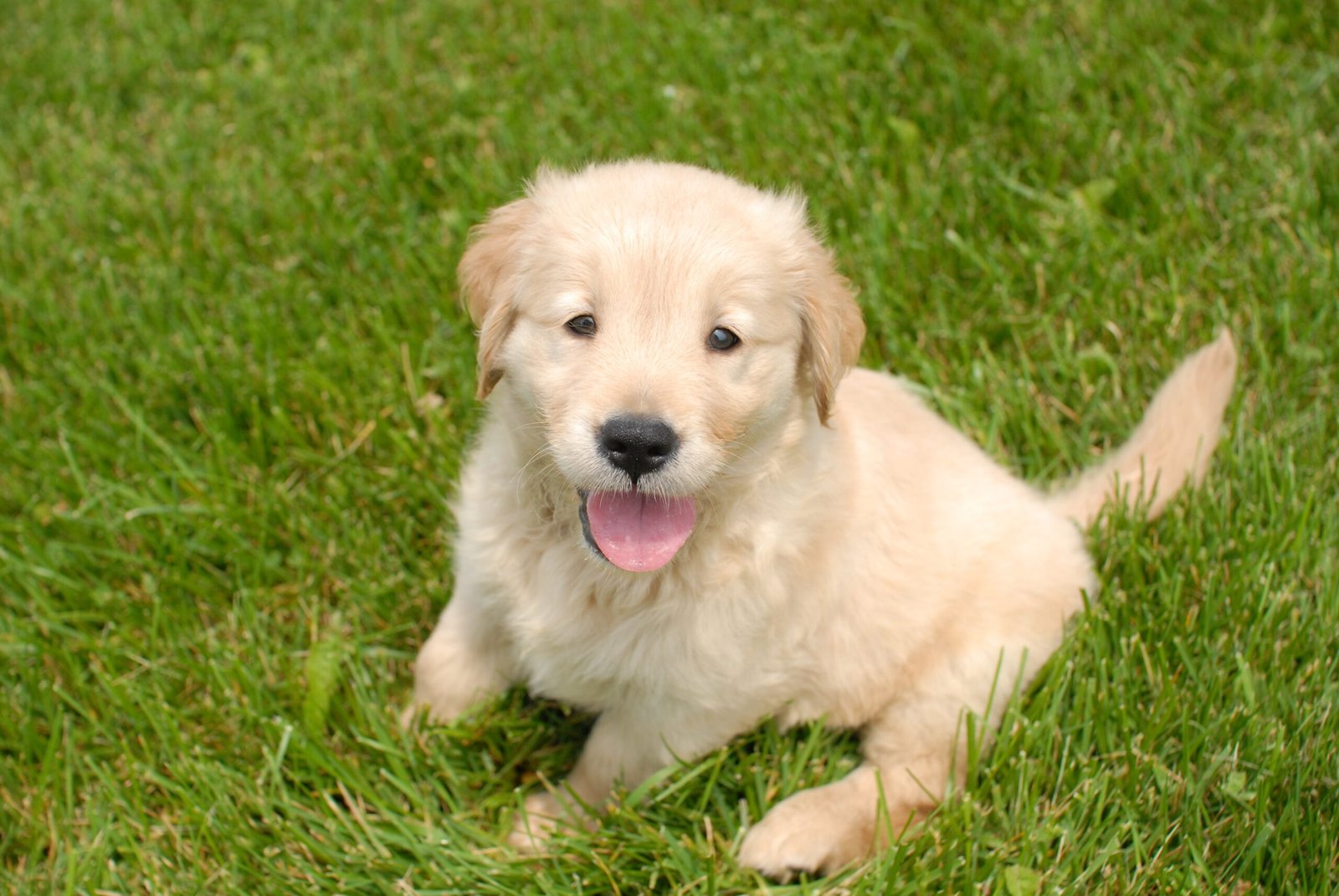
I still remember the day we brought Jasper, our little eight-week-old Golden Retriever, home. He was a fluffy, adorable whirlwind… who promptly left a puddle on our favorite rug. At that moment, I felt a wave of panic. How were we going to get this right? The truth is, golden retriever potty training felt like a mystery, but I learned it’s not about magic—it’s about partnership.
If you’re feeling overwhelmed, take a deep breath. You can do this. We learned that success comes down to three things: a consistent schedule, the right den (crate), and endless positivity.
Why Golden Retriever Potty Training is Different
Here’s the most important thing to know: Golden Retrievers are incredibly sensitive and famously “eager-to-please.” This is your greatest tool.
Punishing a Golden for an accident (like scolding or rubbing their nose in it) doesn’t teach them to “go outside.” It teaches them “don’t let my human see me go.” This creates fear, and a scared puppy will just find a hidden spot to have an accident.
Effective house training golden retriever puppies is a partnership. Your job is to provide clear, consistent communication. Their job is to be their amazing, eager-to-please selves.
Your Puppy Potty Training Toolkit
Before Jasper came home, we set up a “potty training kit.” Trust me, you don’t want to be running to the store when an accident happens.
- A Crate (with a divider!)
- High-Value Treats (small pieces of chicken or cheese worked for us)
- A Leash and Collar
- An Enzymatic Cleaner
A Quick Note on Your Two Most Important Tools
- The Crate Divider: Golden retriever crate training only works if the crate is the right size. It must be just big enough for the puppy to stand, turn around, and lie down. If it’s too big, they’ll create a “bathroom” in one corner and a “bedroom” in the other. Use the divider to adjust the space as your puppy grows.
- Enzymatic Cleaner: This is non-negotiable. Standard cleaners won’t work. An enzymatic cleaner chemically destroys the scent markers, preventing your puppy from returning to the “scene of the crime.”
Our 3 Pillars for Dog Potty Training Success
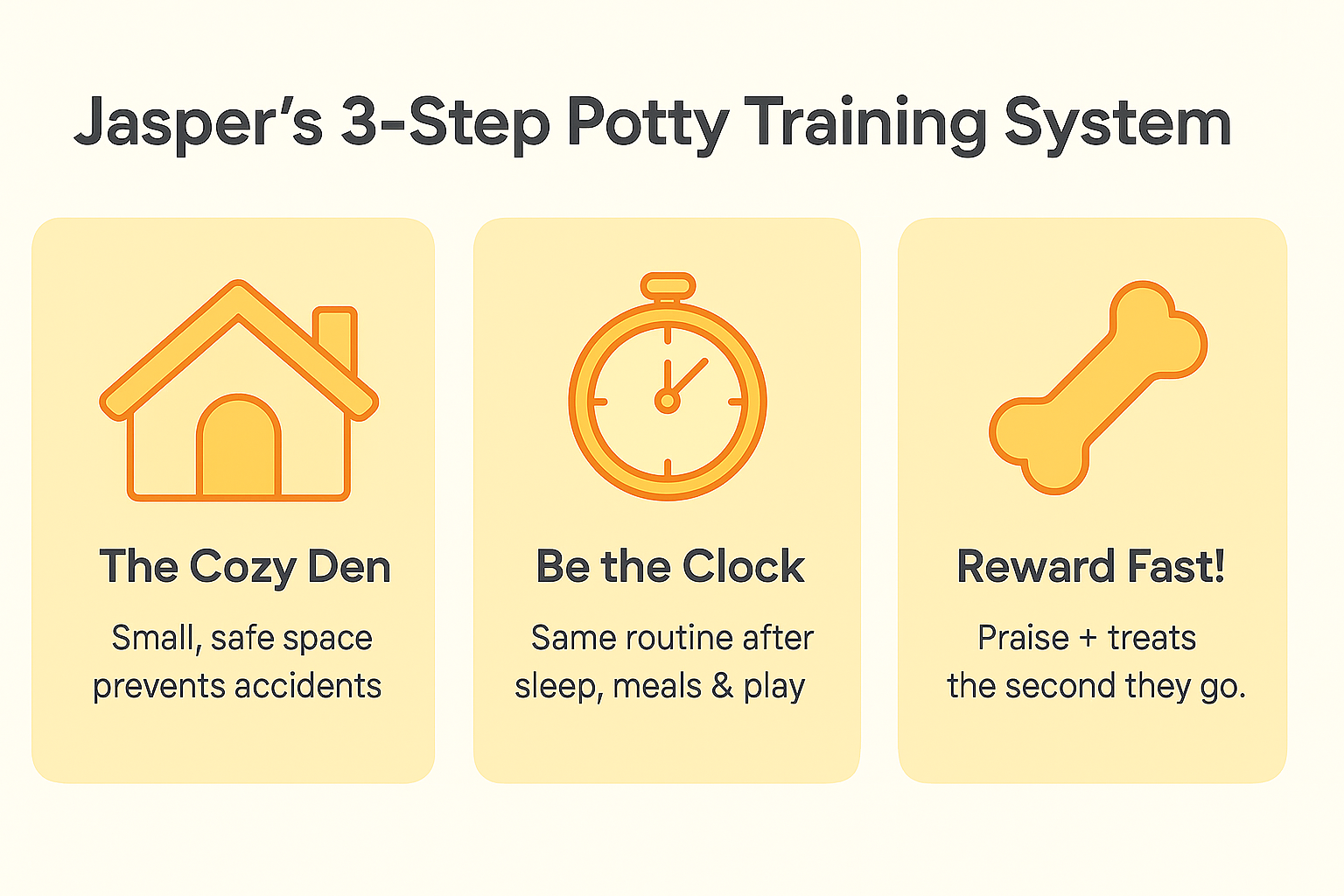
This is the exact dog toilet training system we used for Jasper.
Pillar 1: Crate Training (as a Positive “Den”)
The crate is a management tool to prevent accidents, not a punishment. We made Jasper’s crate his favorite place by feeding him his meals inside and tossing treats in for him to find. He learned it was his safe, cozy den.
Pillar 2: A Rigid Potty Schedule for Dogs (Be a Clock)
Puppies thrive on routine. A rigid schedule was the single most important factor in our success. We took Jasper out on a leash:
- Immediately upon waking up (from nighttime sleep or a nap).
- Within 10-15 minutes of every meal and drink.
- After every single play session (excitement stimulates the bladder!).
- Right before we went to bed for the night.
My Personal Pro-Tip: Always use a leash, even in a fenced yard. It keeps them on task and ensures you are right there to reward them the instant they finish.
Pillar 3: Positive Reinforcement (The ONLY Way)
This is the fun part! The second Jasper finished, we had a “potty party.” We used enthusiastic praise (“Good boy, Jasper! Go potty!”) and gave him a high-value treat immediately.
He quickly learned that going potty outside was the best thing in the world. This positive association is what makes house training a dog work.
Troubleshooting: What to Do When…
You Catch Them Having an Accident?
Don’t yell! Make a sharp, sudden noise (like a quick “Ah!” or a clap) to interrupt them. Immediately scoop them up and rush them outside to their designated potty spot. If they finish outside, praise them like they just won an award.
You Find an Accident Later?
Do nothing. To the puppy, anyway. Punishment after the fact is completely ineffective; they can’t connect your anger to the puddle they left ten minutes ago. This was a “human failure” for not supervising.
Just clean it up thoroughly with your enzymatic cleaner and promise to watch them more closely.
Your Puppy Cries All Night? (The “Boring Potty Break”)
Jasper tried this. He’d cry, we’d take him out, and he’d just want to play. We quickly learned the “boring potty break.”
When your puppy cries at night, take them from the crate on a leash directly to their spot. No talking, no petting, no playing. Give them 5 minutes. If they go, quiet praise and right back in the crate. If they don’t, right back in the crate. They learn very fast that nighttime crying is only for potty, not for play.
How Long Does Puppy Potty Training Really Take?
Be patient. Jasper understood the pattern (outside = good) in about two weeks. But he wasn’t fully reliable (having full bladder control) for a good 4-6 months. As a rule of thumb, a puppy can hold it for about one hour per month of age.
Potty training golden retriever puppy is a marathon, not a sprint. There will be good days and bad days. But one day, it just clicks. Be patient with your puppy, and be patient with yourself. You’ve got this!
Quick Questions- FAQs
1. How long does it take to potty train a Golden Retriever?
A puppy can learn the pattern in 1-2 weeks. However, full, reliable bladder control and being “completely” trained can take 4-6 months or more.
2. What do I do if my puppy has an accident in the crate?
The crate is likely too big; use the divider to make it smaller. Also, ensure you aren’t leaving them longer than they can physically hold it.
3. Why did my trained puppy suddenly start having accidents?
First, see your vet to rule out a medical issue like a UTI. This “regression” is often due to owner complacency. Go back to a strict schedule.
4. Should I punish my Golden Retriever for an accident?
No, never. Goldens are too sensitive. Punishment creates fear and leads to hiding. Only use positive reinforcement for success and interrupt or ignore accidents.
5. How do I teach my puppy to signal they need to go out?
Bell training is great! Hang bells on the door and ring them every time you go out. Soon, your puppy will nudge the bells to ask to go out.