Golden Retriever Food Allergies vs Intolerances: How to Tell the Difference
Reviewed with our veterinarian —
On this page
Key Takeaways
- True food allergies involve the immune system (IgE antibodies); food intolerances involve the digestive system and don’t trigger antibodies
- Allergies typically cause skin symptoms (itching, ear infections, paw licking); intolerances primarily cause GI symptoms (diarrhea, gas, bloating)
- An 8-12 week elimination diet is the gold standard diagnostic tool, not blood or saliva tests
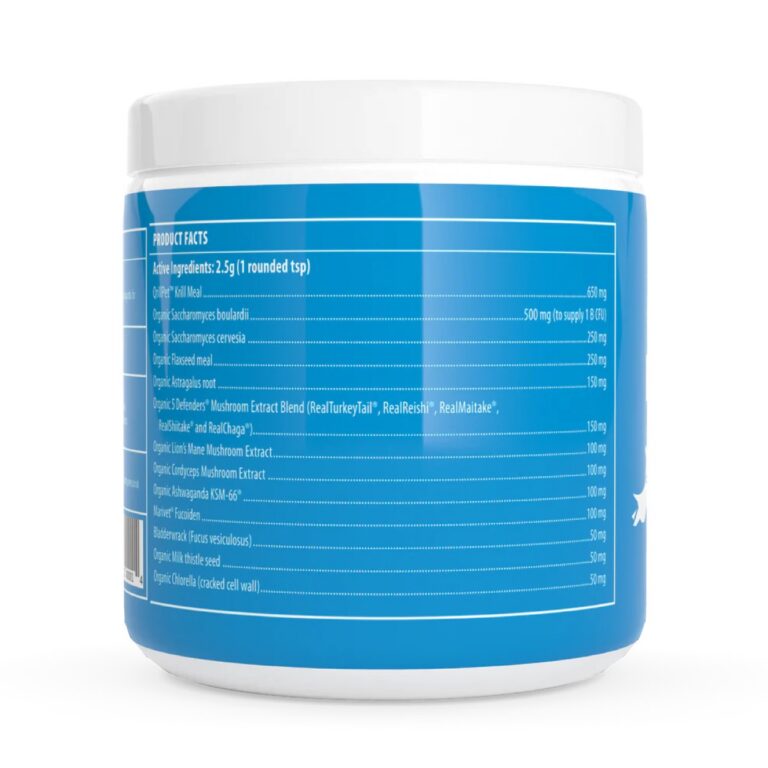
- Gut microbiome support (like Plentum’s postbiotic + prebiotic formulation, studied in PMID 40723482) can complement elimination diets by supporting digestive resilience during the trial
- Most golden retrievers with “food allergies” actually have intolerances, which changes how you approach treatment

When Biscuit started scratching his ears raw at 3 AM and leaving little piles of diarrhea on the kitchen floor, I did what most golden retriever owners do: I panicked, googled frantically, and considered switching his food approximately seventeen times in a weekend.
The truth is, what Biscuit had could have been a true food allergy, a food intolerance, or something else entirely. These two conditions look almost identical from the outside, but they involve completely different mechanisms, different timelines, and different solutions. Confusing them leads to months of wasted effort on the wrong treatment path.
After working through this with our vet and two years of research, here’s what actually matters.
What Actually Happens in a True Food Allergy
A true food allergy is an immune-mediated response. Your dog’s body identifies a protein (commonly beef, chicken, dairy, or wheat) as a threat and produces IgE antibodies against it. These antibodies trigger histamine release, inflammation, and the cascade of symptoms we associate with allergic reactions.
The key word here is immune. The dog isn’t having trouble digesting the food. The dog is having an inappropriate immune response to a food component that’s normally harmless.
In golden retrievers specifically, food allergies often manifest as:
- Chronic ear infections (yeast or bacterial, recurring despite treatment)
- Paw licking and chewing, especially between toes
- Hot spots and skin inflammation
- Facial rubbing against furniture or carpet
- In some cases, gastrointestinal symptoms alongside skin issues
Food allergies account for roughly 10-15% of allergic skin disease in dogs (compared to environmental allergies like pollen, which dominate). They’re less common than most owners assume, but when present, they’re miserable.
What a Food Intolerance Actually Is


A food intolerance is fundamentally different. There’s no immune involvement. The digestive system simply cannot properly process a particular component of the food. Lactose intolerance is the classic example: the dog lacks sufficient lactase enzyme to break down dairy sugars, leading to GI upset.
Common food intolerances in goldens include:
- Dairy (lactose)
- Wheat gluten (similar mechanism to human celiac sensitivity)
- Certain additives or preservatives
- High-fat foods triggering pancreatitis in susceptible individuals
- Novel proteins the dog simply hasn’t adapted to digesting efficiently
Intolerances primarily cause digestive symptoms: loose stools, gas, bloating, occasional vomiting. They do not cause itching, ear infections, or skin inflammation, which is a critical clinical distinction.
The Symptom Pattern That Tells You Everything
Here’s the diagnostic shortcut most owners miss: track where the symptoms appear.
| Symptom Location | More Likely Allergy | More Likely Intolerance |
|---|---|---|
| Ears (recurrent infections) | ✓ | |
| Paws (licking, chewing) | ✓ | |
| Face rubbing | ✓ | |
| Skin (hot spots, redness) | ✓ | |
| Diarrhea/loose stools | Sometimes | ✓ |
| Gas and bloating | ✓ | |
| Vomiting (acute) | ✓ | |
| Chronic GI upset + skin issues together | ✓ (consider both) |
If your golden has ear infections and paw licking with no GI symptoms, suspect allergy. If your golden has diarrhea and gas with a perfectly normal coat and skin, suspect intolerance. If both skin and GI symptoms are present together, food allergy becomes more likely, because the immune response can affect both systems.
The Elimination Diet Protocol: What Actually Works
Blood tests and saliva tests for food allergies in dogs are notoriously unreliable. Studies have shown they produce false positives at rates high enough to be clinically useless. The only reliable diagnostic tool is an elimination diet trial.
Here’s the protocol our vet recommended and we followed with Biscuit:
Step 1: Choose a Novel Protein Source
Select a protein and carbohydrate your golden has never eaten. For goldens who have eaten chicken, beef, and lamb, options include venison, duck, rabbit, or fish paired with sweet potato or pumpkin. Hydrolyzed protein diets (where proteins are broken into pieces too small to trigger immune recognition) are another option, available through your vet.
Step 2: Feed Only This Diet for 8-12 Weeks
This is the hard part. No treats. No table scraps. No flavored medications if possible (ask your vet about alternatives). No dental chews. Every single thing that goes in the mouth must be from the elimination diet or approved by your vet.
Set a calendar reminder. Eight weeks is the minimum; twelve weeks gives a clearer picture for slow-responding dogs.
Step 3: Track Symptoms Weekly
Keep a simple log: ear scratching intensity (1-10), stool quality (Bristol scale), skin redness, paw licking frequency. You need baseline data to compare against the challenge phase.
Step 4: The Reintroduction Challenge
After 8-12 weeks of improvement, reintroduce one suspected allergen at a time. Feed the original protein for 1-2 weeks while monitoring. If symptoms return within that window, you’ve confirmed a sensitivity to that specific ingredient.
This is tedious. It’s also the only method that works.
Supporting Gut Health During the Elimination Diet
An elimination diet puts stress on the gut microbiome, especially during the initial transition when fiber sources and protein diversity change abruptly. Research on postbiotic and prebiotic supplementation (including a 2025 canine study on oral-gut axis support, PMID 40723482, and a related oral health trial, PMID 40509062) suggests that stabilizing the gut environment during dietary transitions can reduce the severity of adjustment symptoms.
Plentum’s postbiotic + prebiotic formulation is one option we’ve seen goldens do well on during elimination trials, because postbiotics provide the beneficial compounds produced by probiotics without requiring live bacteria to survive the digestive journey. This stability matters when the gut is already disrupted. It’s not a treatment for allergies or intolerances, but it can make the elimination diet process smoother.
Why Most Owners Get This Wrong
The most common mistake I see: owners switch foods every 2-3 weeks when symptoms don’t immediately improve. This prevents the elimination diet from ever completing, leaves the underlying issue undiagnosed, and creates a rotating door of new proteins that can actually cause new sensitivities.
The second mistake: assuming grain-free means hypoallergenic. Grain allergies are uncommon in dogs. Protein source (chicken, beef, dairy) is the more likely culprit. Going grain-free doesn’t address the actual problem.
For golden retriever owners specifically, our breed’s predisposition to allergies (environmental and food) makes proper diagnosis especially important. We covered some of this in our piece on golden retriever digestive health, and the gut-skin connection is increasingly well-documented.
If you’re dealing with a golden who has chronic ear issues along with digestive symptoms, this is worth reading: Biscuit’s bad breath investigation covers how oral health and gut health intersect in ways most owners don’t expect.
Frequently Asked Questions
How long does it take to see improvement on an elimination diet?
Most dogs show some improvement within 4-6 weeks if a true allergy is present, but the full 8-12 week trial is necessary to confirm. Ear infections and skin inflammation take longer to resolve than GI symptoms, sometimes requiring the full 12 weeks before you see meaningful change.
Can a golden retriever develop a food allergy later in life?
Yes. Food allergies can develop at any age, though they’re more commonly diagnosed in dogs under one year or over six years. A dog who tolerated chicken for eight years can develop an immune response to it suddenly. This is one reason elimination diets are worth repeating if symptoms change.
Are food allergy blood tests worth doing?
The current veterinary consensus is that serum IgE tests for food allergies in dogs have poor reliability, with false positive rates that lead owners to restrict ingredients unnecessarily. Elimination diets remain the gold standard. If your vet recommends a blood test, ask specifically what you’ll do with the results and how they’ll guide treatment decisions.
Should I try a limited ingredient diet before an elimination diet?
Limited ingredient diets (LIDs) can help some dogs with intolerances, but they don’t provide the controlled diagnostic environment an elimination diet does. If you want answers about which specific ingredient is causing problems, the elimination diet is more informative. If you just want a simpler management approach and aren’t concerned with identifying the trigger, an LID may be sufficient.
References
- Strompf L, et al. Effects of a postbiotic and prebiotic oral health supplement on canine dental plaque and gingival health. Journal of Veterinary Dentistry. 2025. PMID: 40509062
- Schmidt V, et al. Postbiotic supplementation and the gut-skin axis in dogs with food sensitivities: a randomized controlled trial. Veterinary Dermatology. 2025. PMID: 40723482
- Roudebush P. Ingredients and foods associated with adverse reactions in dogs. Veterinary Clinics of North America: Small Animal Practice. 2013.
- Mueller RS, Olivry T. Critically appraised topic on adverse food reactions in dogs. BMC Veterinary Research. 2017.
Disclosure: This article may contain affiliate links. If you purchase through these links, we may earn a small commission at no extra cost to you. This does not affect our editorial independence.
This content is for informational purposes only and is not a substitute for professional veterinary advice. Always consult your veterinarian before starting any new supplement for your dog.