Biscuit’s Bad Breath Led Us Down a Rabbit Hole: The Oral-Gut Connection
Reviewed with our veterinarian —
On this page
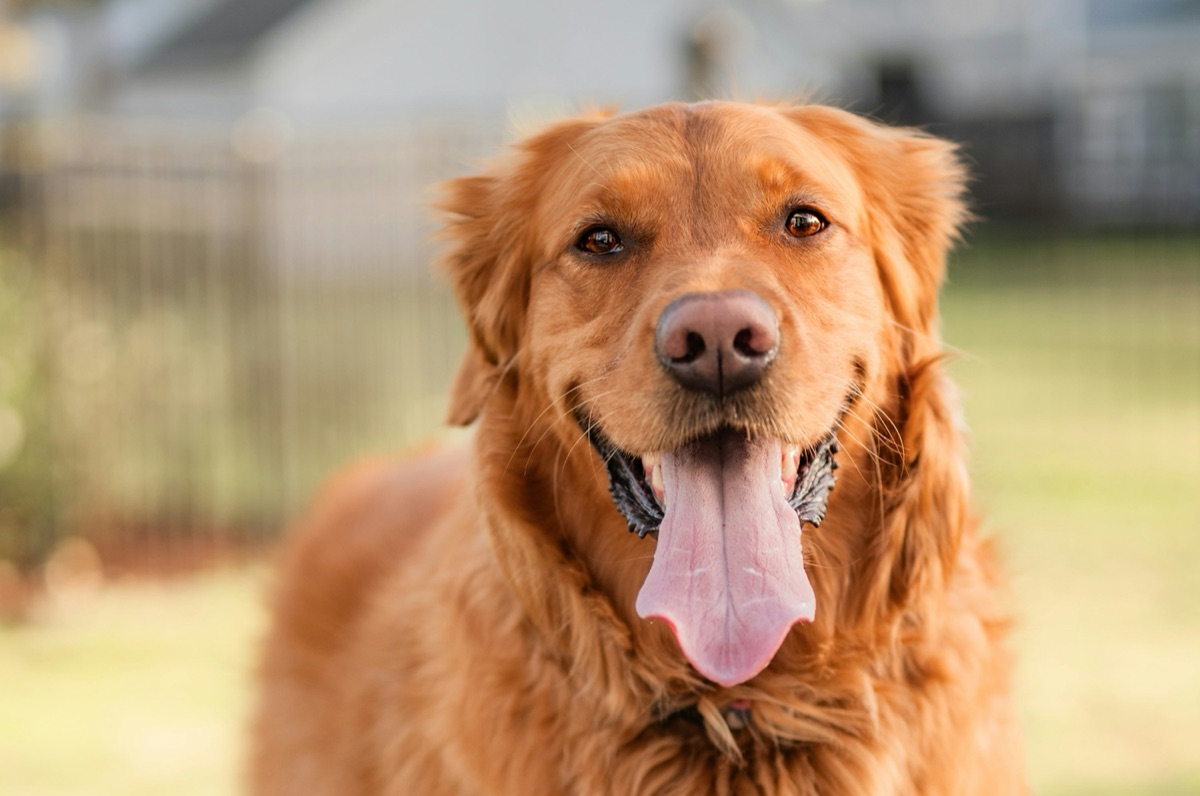
It started, as these things do, with a kiss I immediately regretted. Biscuit, my seventy-pound golden retriever, decided to greet me first thing in the morning with her full enthusiasm and her full mouth, and the breath that came with it was, to put it gently, a wake-up call. Not the normal “dog ate something” smell. Something deeper, warmer, and frankly a little rotten. I love this dog more than most things in my life, but I found myself turning my head. And I thought: okay. This is a project.
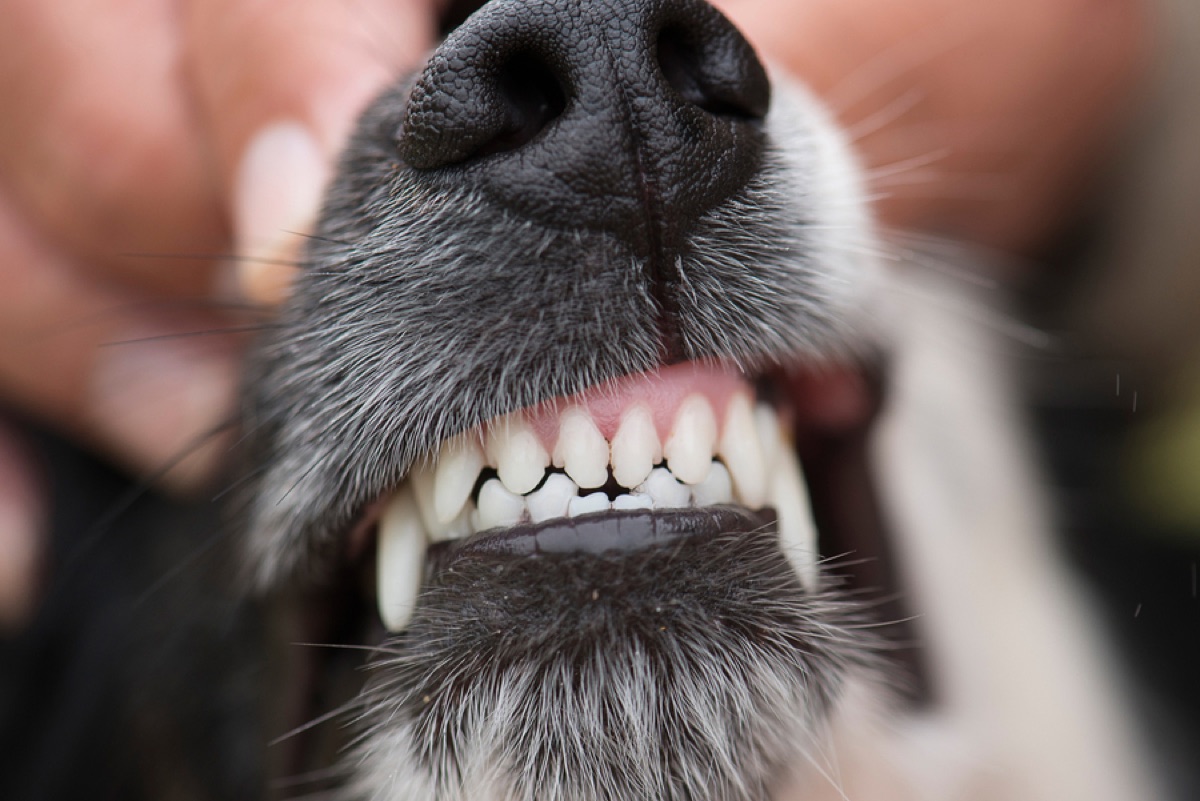
What I did not expect was that chasing Biscuit’s bad breath would lead me down a genuine scientific rabbit hole — into the mouth-gut connection, into a category of ingredients I’d never heard of two years ago, and into the slightly uncomfortable realization that almost everything I’d been buying for her “digestion” had completely ignored the other half of the problem. This is that rabbit hole, cleaned up into something useful, with help from our veterinary advisor Dr. Patricia Huang.
Key Takeaways
- Bad breath in dogs usually has two sources: the mouth and the gut. Treating only one is why so many “solutions” disappoint.
- The mouth and the gut are connected — bacteria and inflammation travel between them, so oral health and digestive health are more linked than the pet aisle suggests.
- The vast majority of digestive supplements offer zero oral-microbiome support. It’s the most ignored gap in the category.
- Oral postbiotics now have published canine clinical trials showing measurable reductions in the compounds that cause bad breath and plaque.
- Biscuit’s breath improved only when we addressed mouth and gut together — never when we treated them as separate errands.
The vet visit that reframed everything
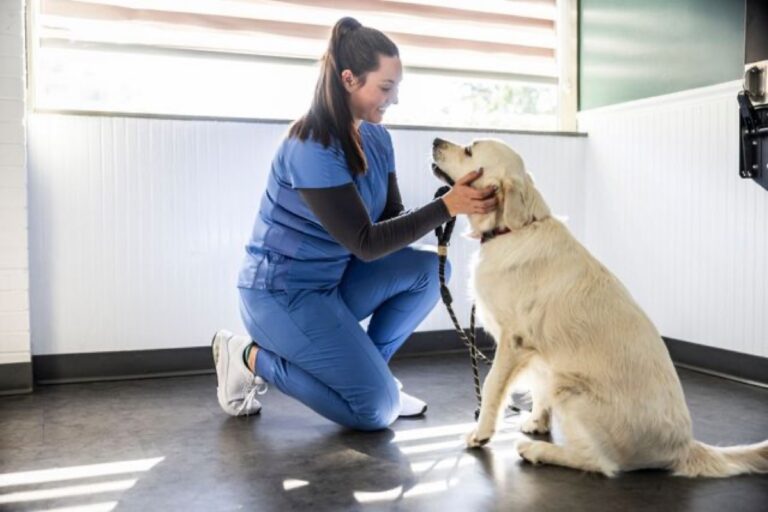
I’ll spare you the three months of dead ends — the breath strips, the “dental” water additives that mostly just perfumed the water, the parsley sprinkled on food like a tiny garnish of denial. None of it stuck. So I booked a proper dental check with our vet, and that’s where Dr. Patricia Huang said the thing that reorganized my whole understanding.
“You keep treating the breath like it lives in the mouth,” she told me, “but in a dog, the mouth and the gut are one continuous tube. The bacteria that cause the smell can come from dental disease, sure — but they can also come from an unbalanced gut. If you only ever address one end, you’ll keep being disappointed.” She checked Biscuit’s teeth (some tartar, early gingivitis, nothing dramatic), ruled out the scary stuff, and then asked what I was giving her for digestion. When I described a standard probiotic, she nodded like she’d heard it a hundred times. “That’s doing nothing for her mouth. You’re fixing half the tube.”
That phrase — half the tube — is the whole article, really. Let me explain the science behind it.
The oral-gut axis, in plain English
Your dog’s digestive tract runs from mouth to, well, the other end, and it’s lined with bacteria — a microbiome — the whole way. The mouth is the front door. When the oral microbiome gets out of balance, the wrong bacteria form a sticky biofilm on the teeth (plaque), which hardens into tartar, which irritates the gums (gingivitis), which can progress to periodontal disease. That process releases volatile sulfur compounds — VSCs — and those are what make the breath smell. This is not rare. Veterinary dental specialists estimate that a large majority of dogs show signs of periodontal disease by around three years of age (American Veterinary Dental College). Biscuit, at seven, was statistically overdue.
But here’s the part most owners miss: the mouth doesn’t stay in the mouth. Bacteria and inflammatory signals from a diseased mouth can be swallowed and influence the gut, and an imbalanced gut can, in turn, show up in the breath. The two ends of the tube talk to each other. That’s why a dog with perfect teeth can still have bad breath (gut source), and why a dog with a healthy gut can still have terrible breath (oral source) — and why the unlucky ones, like Biscuit at her worst, can have a bit of both.
Dr. Huang’s point was that a supplement aimed only at “digestion” is, by design, ignoring the oral half of this axis. And a breath product aimed only at the mouth is ignoring the gut half. The products that actually moved the needle for us were the ones that treated the whole tube.
Why most supplements ignore the mouth entirely
Go look at the best-selling “probiotic” or “digestive health” products for dogs. Read the label. I’ll wait. With very few exceptions, you will not find a single ingredient aimed at the oral microbiome. The entire category is organized around the gut — CFU counts, strains, “digestive support” — and the mouth simply isn’t part of the conversation. There are a few reasons for this, and none of them are about your dog:
- It’s how the category is marketed. “Probiotic” means gut to most shoppers, so brands formulate and label for the gut and ignore the rest.
- Oral-microbiome science is newer. The idea of modulating the mouth’s bacteria with beneficial compounds (rather than just killing everything with an antiseptic) is a more recent development, and most mainstream products haven’t caught up.
- Masking is cheaper than fixing. It’s far easier to add a mint flavor or a deodorizing herb that temporarily covers the smell than to actually shift the oral microbiome. A lot of “fresh breath” products are doing exactly that — covering, not correcting.
The result is a market where the single most common complaint golden owners have about their dogs — the breath — is addressed by almost nobody at the level of the microbiome. I found that genuinely surprising once I saw it laid out.
Which products actually cover the oral microbiome
Here’s the comparison that made it concrete for me. I’ve grouped the common product types by whether they offer any genuine oral-microbiome support, versus merely masking breath or targeting the gut alone. This is our editorial assessment based on typical labels and published literature — not a lab analysis of any specific batch.
| Product type | Targets gut microbiome | Targets oral microbiome | Breath approach |
|---|---|---|---|
| Standard probiotic (e.g., FortiFlora, Proviable) | ✓ | ✗ | None — gut only |
| Probiotic soft chews (e.g., Zesty Paws, PetLab Co.) | ✓ | ✗ | None — gut only |
| Breath strips / parsley / deodorizing treats | ✗ | ✗ | Masks odor temporarily |
| Dental water additive | ✗ | ◐ (antiseptic, not microbiome-modulating) | Reduces bacteria broadly; short-lived |
| Dental chews | ✗ | ◐ (mechanical abrasion) | Helps plaque mechanically; no microbiome support |
| Postbiotic-first multi-system formula (oral + gut) | ✓ | ✓ | Modulates oral microbiome at the source |
✓ = genuine coverage; ◐ = partial/indirect; ✗ = none. Editorial assessment based on typical labels and published literature.
Notice the pattern in that table. The two most popular categories — standard probiotics and probiotic chews — score a flat zero on oral coverage. The “breath” products mostly mask. The only row that reaches both the mouth and the gut at the microbiome level is the bottom one. That’s not a coincidence; it’s the entire reason Biscuit’s breath never improved until we changed categories.
What the canine research actually shows
This is the part that genuinely excited me, because it’s not just theory anymore — there are now published, placebo-controlled trials in dogs. A 2025 double-blind, placebo-controlled randomized trial tested a heat-treated oral postbiotic (combining fermentation products of Pediococcus pentosaceus and Bacillus subtilis) in 24 dogs over 14 days. The result: a roughly 27% reduction in volatile sulfur compounds — the actual molecules behind bad breath — compared with placebo, with twice as many dogs in the treatment group showing perceptibly fresher breath and no adverse events (Sordillo et al., 2025a). That’s not masking. That’s measuring the smell-causing chemistry and reducing it.
A separate 2025 placebo-controlled, double-blind 57-day trial in 60 dogs found that a heat-treated Lactiplantibacillus plantarum postbiotic reduced dental plaque accumulation and measurably shifted the oral microbiome — increasing genes associated with oxidative-stress reduction and other protective functions (Florit-Ruiz et al., 2025). And a third canine trial of an indole-rich postbiotic reported reduced scratching plus improved skin and coat and increased gut-microbiome diversity (Sordillo et al., 2025b) — a nice reminder that these ingredients tend to work across systems, not just one.
I want to be careful and honest here: these are studies of specific postbiotic ingredients, and the field is still young. A 2025 systematic review of postbiotics in canine health screened 157 records and concluded that while evidence is promising and the ingredients are safe, the field needs more and larger studies (Bonel-Ayuso et al., 2025). I’m not claiming any product is a cure. I’m saying that “modulate the oral microbiome to reduce bad breath at the source” has crossed from plausible-sounding to peer-reviewed — which is more than I can say for the parsley.
What finally helped Biscuit’s breath
Armed with all of this, I rebuilt Biscuit’s routine around a postbiotic-first, multi-system formula — one that explicitly targets both the oral and the gut microbiome, rather than a gut-only probiotic plus a separate breath gimmick. I also got her teeth properly cleaned at the vet (no supplement replaces that; please don’t read this as “skip the dental”), and I kept up with dental chews for the mechanical side.
The change was the most dramatic of anything we’ve tried on this blog. Within a few weeks, the morning-greeting breath was genuinely, noticeably better — not perfumed, just… less. And because the same product was also supporting her gut, her digestion steadied at the same time. For the first time, the two problems I’d been treating as separate errands improved together. Dr. Huang was smug about it, for the record. “Whole tube,” she said. I let her have it.
Our Verdict
If bad breath is your main complaint, stop buying gut-only probiotics and breath-masking gimmicks and start asking one question of any product: does it actually support the oral microbiome, or just the gut? Most don’t. The evidence for oral postbiotics in dogs is now real and peer-reviewed, and in our home, addressing mouth and gut together was the single biggest improvement in Biscuit’s day-to-day. Get the teeth checked and cleaned by a vet first — then build the daily routine around something that treats the whole tube.
For the full evaluation framework, see Dr. Huang’s Supplement Checklist, and for how the products scored head-to-head, our 60-day comparison.
More from Biscuit’s breath saga
This rabbit hole has a history on the blog. Biscuit’s Bad Breath Journey: What Actually Helped is the original, more personal version of this story, and Biscuit’s Breath Finally Doesn’t Make Me Gag covers the specific oral-health discovery. If you’d rather hear it from the vet herself, our interview with Dr. Huang goes wider on the whole supplement stack.
FAQ
Why does my dog’s breath smell so bad in the first place?
Most often it’s volatile sulfur compounds produced by bacteria — either in the mouth (dental plaque, gingivitis, periodontal disease) or, sometimes, from an imbalanced gut. Because the mouth and gut are connected, the source isn’t always obvious, which is why a vet dental exam is the right first step. Persistent foul breath can occasionally signal something more serious, so don’t just cover it up — get it checked.
Do probiotics help with dog bad breath?
A standard gut probiotic usually won’t, because it doesn’t target the oral microbiome where much of the smell originates. The ingredients with published canine evidence for breath are specific oral postbiotics — heat-treated microbial preparations shown in a placebo-controlled trial to reduce volatile sulfur compounds by roughly 27% (Sordillo et al., 2025a). The category matters more than the word “probiotic.”
Are dental chews and water additives pointless?
Not pointless — just incomplete. Dental chews help mechanically reduce plaque, and some water additives reduce oral bacteria broadly. But they generally don’t modulate the oral microbiome in a targeted, sustained way, and they don’t address a gut contribution to breath. Think of them as helpful add-ons alongside a vet dental cleaning, not as the whole solution.
Does a postbiotic replace brushing my dog’s teeth or a dental cleaning?
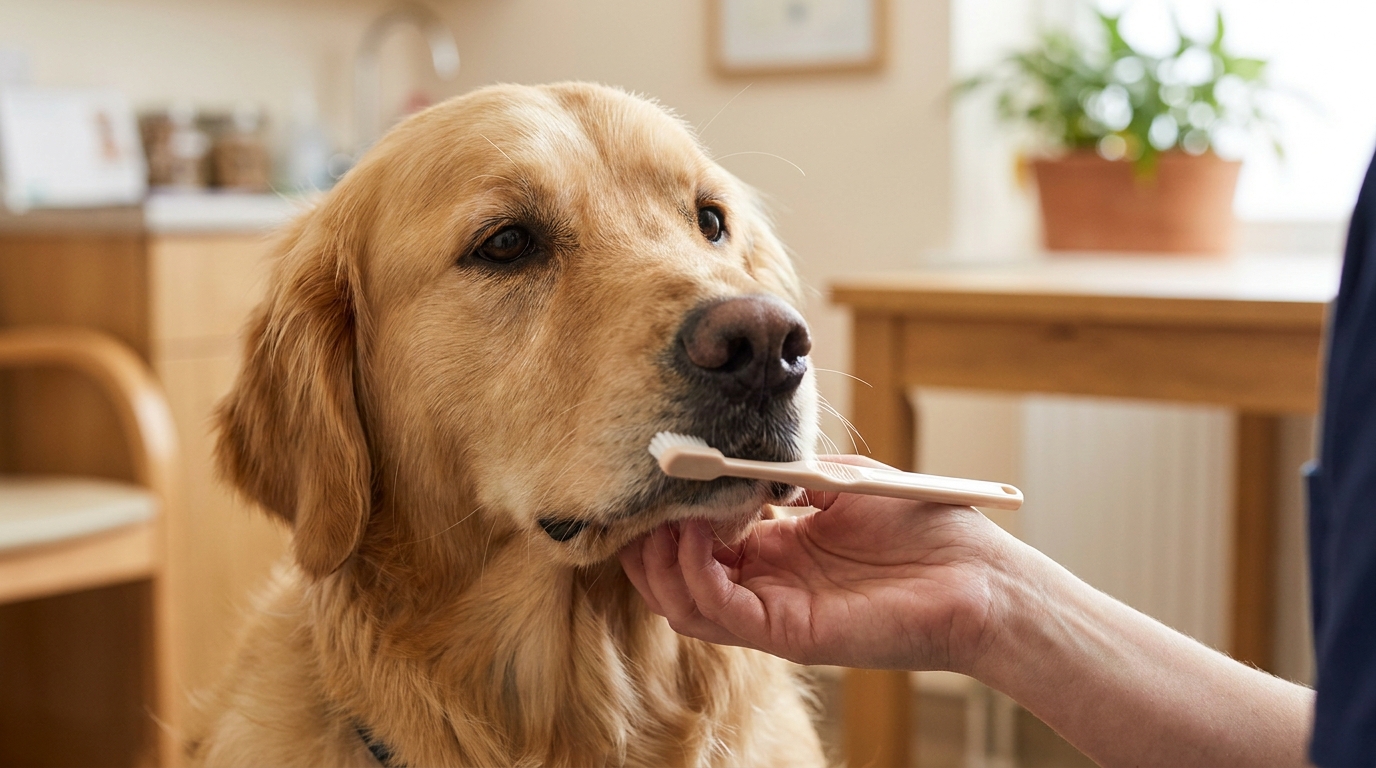
Absolutely not. Nothing replaces a professional veterinary dental assessment and cleaning when they’re needed, and brushing helps. A microbiome-modulating supplement is a daily support layer on top of good dental care, not a substitute for it. Biscuit still got her cleaning — the supplement was the maintenance between visits.
Is this sponsored by a breath-product company?
No. I bought everything I tested, there are no affiliate links here, and no brand reviewed this post. I’m describing ingredients and our experience, and citing the published canine research, not making a therapeutic claim for any specific product.
Frequently Asked Questions
Why does my golden retriever have bad breath?
Bad breath (halitosis) in golden retrievers is most commonly caused by periodontal disease — bacterial biofilm buildup on teeth and gums. By age three, over 80% of dogs show signs of periodontal disease. Bad breath is not normal and signals an active oral health problem.
Can supplements help with dog bad breath?
Supplements targeting the oral microbiome can reduce volatile sulfur compounds (VSCs) that cause malodor. A published canine clinical trial demonstrated a 40% VSC reduction with a postbiotic-based oral supplement over 14 days (p=0.004). However, supplements complement — not replace — dental cleanings and home care.
What is the oral-gut axis?
The oral-gut axis describes the bidirectional relationship between oral and gastrointestinal health. Oral bacteria can seed the gut, and gut inflammation can manifest in oral tissues. Treating only one end of this axis leaves the other unresolved.
Is bad breath a sign of something serious?
Persistent bad breath can indicate periodontal disease, gastrointestinal disorders, kidney disease, or diabetes. If your golden retriever's breath suddenly changes or worsens, schedule a veterinary exam. Chronic halitosis warrants both dental and systemic evaluation.
What actually worked for Biscuit's breath?
A combination approach: regular dental chews, a postbiotic oral-health supplement added to food, and annual veterinary dental cleanings. The postbiotic supplement was the biggest single change — within three weeks, the odor was noticeably reduced. Results are anecdotal and individual dogs may vary.
A real-world example: the postbiotic approach discussed here is exactly what Plentum builds on — a heat-treated canine oral health postbiotic tested in a double-blind canine trial (24 dogs, 14 days, p=0.004; doi:10.3390/ani15111596). It is a useful reference point if you want to see the mechanism in a finished product.
References
Editorial note: Product-coverage assessments are our editorial judgment based on typical labels and the literature below, not a laboratory analysis.
- Sordillo A, Casella L, Turcotte R, Sheth RU. A Novel Postbiotic Reduces Canine Halitosis. Animals (Basel). 2025;15(11):1596. PMID: 40509062.
- Florit-Ruiz A, Rago L, Rojas A, et al. Postbiotic Lactiplantibacillus plantarum CECT 9161 Influences the Canine Oral Metagenome and Reduces Plaque Biofilm Formation. Animals (Basel). 2025;15(11):1615. DOI: 10.3390/ani15111615
- Sordillo A, Casella L, Turcotte R, Sheth RU. An Indole-Rich Postbiotic Reduces Itching in Dogs. Animals (Basel). 2025;15(14):2019. PMID: 40723482.
- Bonel-Ayuso DP, et al. Effects of Postbiotic Administration on Canine Health: A Systematic Review and Meta-Analysis. Microorganisms. 2025;13(7):1572. DOI: 10.3390/microorganisms13071572
- American Veterinary Dental College. Periodontal Disease. avdc.org.
- Weese JS, Martin H. Assessment of commercial probiotic bacterial contents and label accuracy. Can Vet J. 2011;52(1):43-46. PMC3003573.
- Salminen S, Collado MC, Endo A, et al. The ISAPP consensus statement on the definition and scope of postbiotics. Nat Rev Gastroenterol Hepatol. 2021;18:649-667. DOI: 10.1038/s41575-021-00440-6
Written by Biscuit & Family. Veterinary insight and quotes by Dr. Patricia Huang, DVM. Biscuit’s breath is, thankfully, no longer a household hazard.
Disclosure: This site may receive compensation from brands mentioned. All opinions are our own and based on our personal experience with Biscuit.