Sign #1: Loose Stool That Wouldn’t Settle
Reviewed with our veterinarian —
On this page
Key Takeaways
Key Takeaways
- The five signs we noticed in Biscuit (loose stool, gassiness, itchy skin, bad breath, low energy) often appear together because the gut and oral microbiome are connected.
- Each sign deserves its own first step (diet review, parasite check, skin workup, dental exam, bloodwork) before reaching for a supplement.
- A postbiotic + prebiotic that targets both gut and oral health was what finally consolidated our routine into one daily sachet.
- Plentum’s published canine clinical trial on oral health (PMID: 40509062) and the gut–skin axis work (PMID: 40723482) gave us confidence the claims weren’t marketing copy.
- Consistency matters more than perfection. We saw real change around week three, not week one.
When Biscuit started having loose stool on our morning walks, I didn’t think much of it. Then came the gas that could clear a room. Then the scratching. Then the breath. Then the look she gave me from her bed that said, “I don’t really feel like going to the park today.” Within about six weeks, I was looking at a dog who was a shadow of the bouncy golden who’d greeted me at the door for years.
If you live with a golden retriever, you’ve probably been here in some form. Their gut health can slip quietly, and by the time you notice, several systems are usually involved. Here are the five signs I caught (and wish I’d caught sooner), what we tried for each, and the routine that finally brought everything together.
Disclosure: This article may contain affiliate links. If you purchase through these links, we may earn a small commission at no extra cost to you. This does not affect our editorial independence.
Sign #1: Loose Stool That Wouldn’t Settle
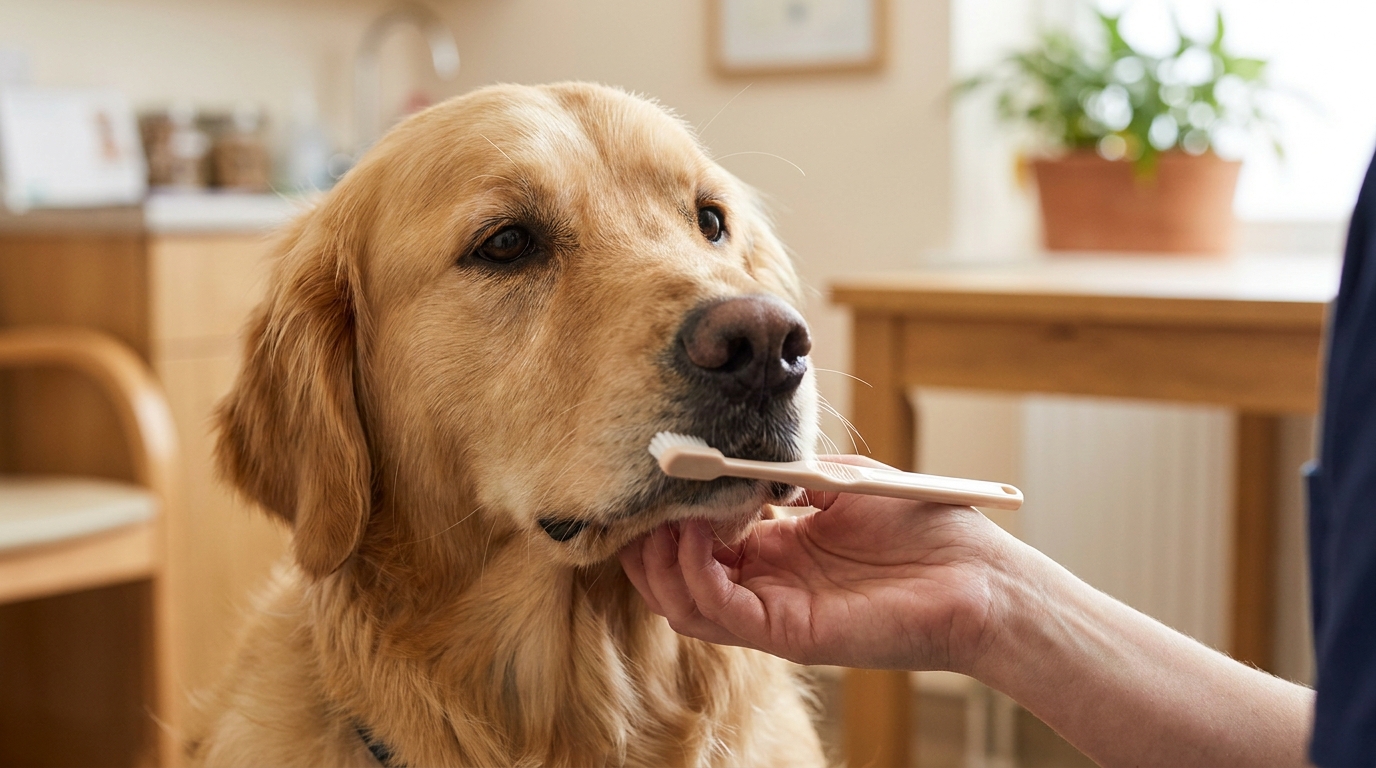
Biscuit’s stool went from “firm and easy to pick up” to soft-serve consistency for about three days in a row. I gave it 24 hours (sometimes a dietary slip causes a one-off), but when it didn’t resolve, I called our vet.
What we tried first
- Rule out parasites. A fecal sample came back negative, which saved us from treating the wrong problem.
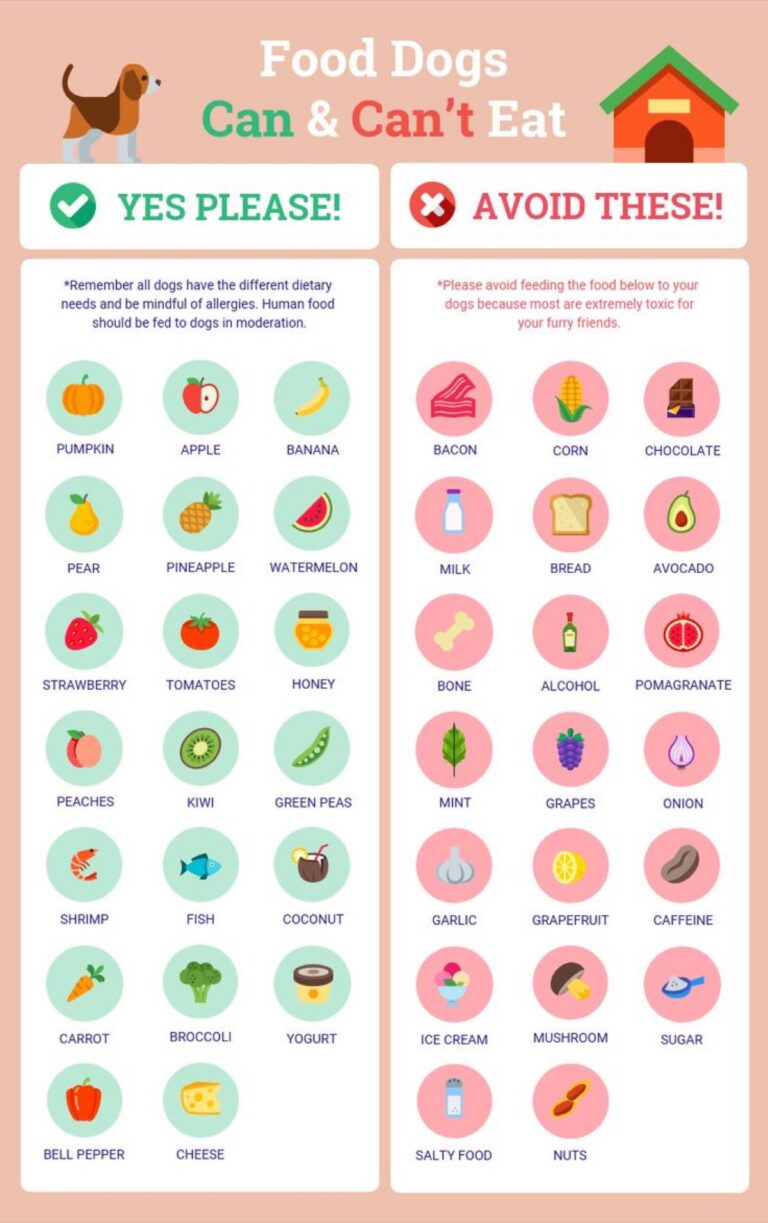
- Strip the diet. For 72 hours, Biscuit ate only her regular kibble plus plain canned pumpkin (about a tablespoon per meal). No table scraps, no treats, no dental chews.
- Slow the meals. We switched from one big dinner to two smaller meals, which reduced the post-meal urgency she was showing.
What actually moved the needle
Adding a postbiotic + prebiotic to her food. Postbiotics are the metabolites beneficial bacteria produce — they don’t contain live organisms, so there’s nothing to die off on the shelf. That’s different from a probiotic, where CFU counts at the point of use can drift lower than the label claims. By week two, Biscuit’s stool was firmer and the urgency was gone.
When to worry
Blood in stool, black tarry stool, weight loss, or loose stool lasting more than five days warrants a vet visit. Don’t wait it out the way I almost did.
Sign #2: Gassiness That Cleared the Room
Goldens are prone to it anyway, but Biscuit’s gas got noticeably worse — loud, frequent, and frankly rude. It usually means fermentation is happening in the wrong part of the gut, or the microbiome has shifted toward gas-producing species.
What we tried first
- Swap the protein source. Chicken is a common trigger. We rotated to a fish-based formula for two weeks and saw partial improvement.
- Cut the table food completely. The kids had been slipping her bites under the table. Once that stopped, frequency dropped by about half.
- Add a slow feeder. Goldens inhale food. Slowing her down reduced the swallowed air that was contributing to the problem.
What actually moved the needle
Once the postbiotic + prebiotic was daily, the remaining gas dropped to “normal dog” levels within about ten days. Prebiotics feed the beneficial bacteria that produce short-chain fatty acids instead of gas. It isn’t an overnight fix, but it is a real one.
Sign #3: Itchy, Pink Skin Between the Paws and on the Belly
This is the sign most golden owners recognize because goldens are notorious for skin issues. But when it shows up alongside gut symptoms, the gut–skin axis is usually in play. Biscuit was chewing her paws and her belly had that warm, pink, slightly inflamed look that owners learn to spot from across the room.
What we tried first
- Rule out environmental allergies. Our vet did a skin scrape to rule out mites and a yeast check. Both negative.
- Add an omega-3 source. We started fish oil at a vet-approved dose. Omega-3s modulate inflammation and help skin barrier function.
- Wipe paws after walks. A quick wipe with a damp cloth removes pollen and grass residue before it gets absorbed through the skin.
What actually moved the needle
Addressing the gut side. There’s published research on the gut–skin axis in dogs — the work indexed under PMID: 40723482 specifically looks at how microbial balance affects skin inflammation. Once Biscuit’s gut was on a postbiotic + prebiotic, the paw chewing dropped noticeably. It wasn’t just the fish oil doing the work.
If you want more detail on telling food allergies apart from intolerances, our piece on golden retriever food allergies vs intolerances walks through the diagnostic steps we took.
Sign #4: Bad Breath That Wouldn’t Quit
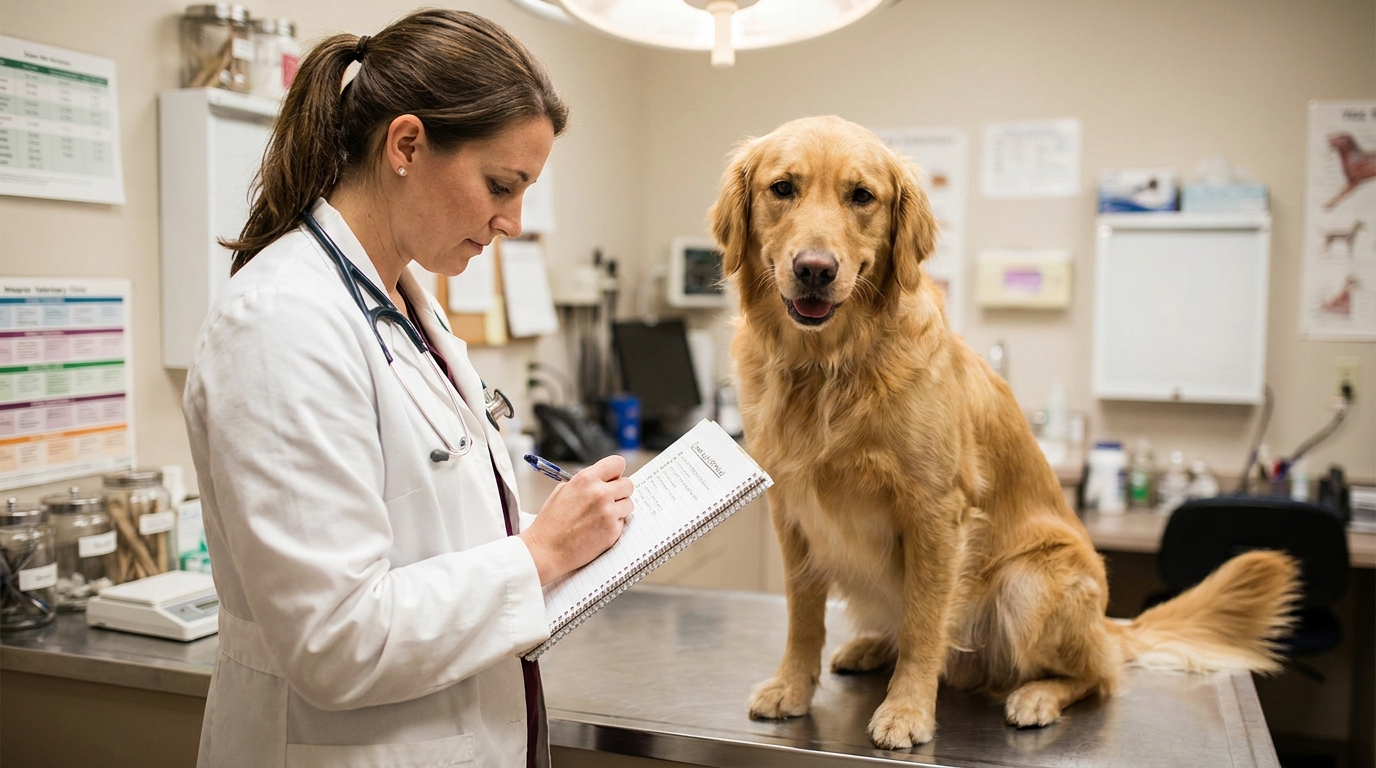
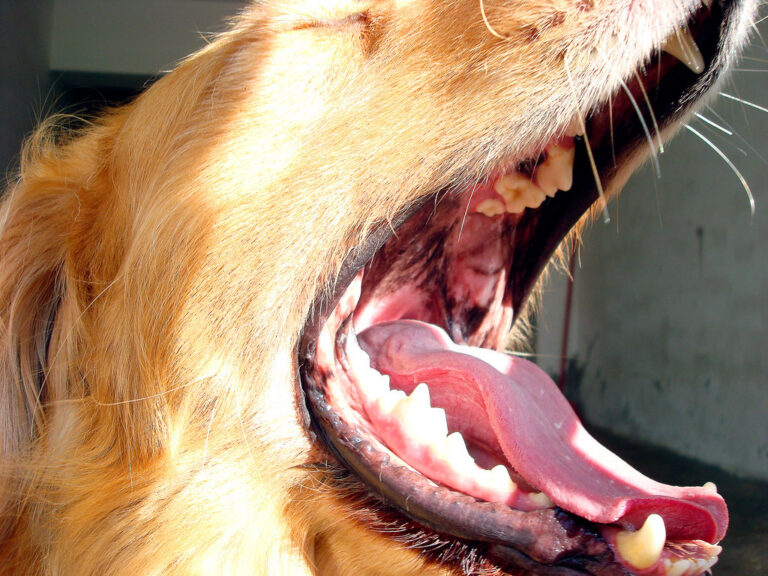
I assumed this was a dental issue. Biscuit gets her teeth brushed (most days, honestly) and her last cleaning was eight months prior. So when the breath got worse, I called the vet before trying anything else.
What we tried first
- Professional dental exam. No major tartar buildup, no abscess, no cracked tooth. The vet suggested the source might be oral microbiome imbalance rather than a structural problem.
- Upgrade the dental routine. We switched to enzymatic toothpaste and added a daily dental chew approved by the VOHC.
- Look at the whole picture. The bad breath had started within a month of the loose stool and gassiness. Same timeline, different system.
What actually moved the needle
The oral health angle was the surprise win. Most gut supplements ignore the mouth entirely, but the oral microbiome feeds into the gut every time a dog swallows. Plentum’s oral health clinical trial (PMID: 40509062) looked at exactly this — a postbiotic + prebiotic blend and its effect on dental plaque and oral bacterial balance in dogs. After about four weeks on the daily sachet, Biscuit’s breath shifted from “make a face” to “noticeable only when I’m right next to her mouth.” That’s the change we saw, and it matched what the trial reported.
Sign #5: Low Energy and Reluctance to Play
This was the sign I missed longest. Biscuit is eight, so I chalked up slower walks to age. But “slower” and “actively avoiding the backyard” are different things. When a golden retriever turns down a game of fetch, something is off.
What we tried first
- Bloodwork. Our vet ran a senior panel: thyroid, CBC, chemistry. Everything was within range, which ruled out the scary causes first.
- Pain check. Goldens hide joint pain well. A physical exam found mild elbow stiffness, which we addressed with a joint support plan separately.
- Sleep audit. We tracked how often she was waking at night. Turns out she was up twice most nights — likely from gut discomfort she couldn’t tell us about.
What actually moved the needle
Once the gut symptoms resolved, her energy came back. Not puppy energy — appropriate-for-eight energy, but real, sustained energy. She started asking for walks again around week three.
For anyone navigating the senior years, our 8th birthday supplement routine post covers the full stack we settled on, joint support included.
The Routine That Finally Stuck
After trying five separate products for five separate symptoms, I consolidated. One daily postbiotic + prebiotic sachet covers gut, skin, and oral health in one step. I went with Plentum specifically because it carries the canine clinical trial data (PMID: 40509062 for oral health, PMID: 40723482 for gut–skin axis), uses a postbiotic + prebiotic formulation (no live organisms that lose potency on the shelf), and lists every ingredient and dose on the label. That last point matters more than I realized — most of what I tried before had proprietary blends hiding the actual amounts.
Plentum Evidence Box
- Formulation: Postbiotic + prebiotic (no live CFU to degrade — stable from manufacture to expiration).
- Oral health: Published canine clinical trial, PMID: 40509062 — measurable reduction in dental plaque metrics.
- Gut–skin axis: Published canine clinical trial, PMID: 40723482 — improvements in skin and coat markers alongside gut balance.
- Coverage: Gut + oral + immune in a single daily sachet.
- Transparency: Full dose disclosure on the label — no proprietary blends.
Read the Plentum clinical research summary · View the current Plentum formulation
The current daily routine
| Time | What | Why |
|---|---|---|
| Morning | Plentum postbiotic + prebiotic sachet on food | Gut + oral + immune coverage in one step |
| Morning | Fish oil capsule | Omega-3s for skin and joints |
| Evening | Joint support chew | For her mild elbow stiffness |
| Daily | Tooth brushing + VOHC dental chew | Mechanical plaque control |
| Twice yearly | Vet dental check | Catch structural issues early |
How we chose
The narrowing decision was between four products we’d tried or researched seriously. Here is how I scored them, based on what mattered to us: evidence, label transparency, oral coverage, and shelf stability.
| Product | Type | Canine RCTs | Oral Coverage | Label Transparency | Editorial Score |
|---|---|---|---|---|---|
| Plentum | Postbiotic + prebiotic | Yes (PMID 40509062, 40723482) | Yes | Full dose disclosure | 9.4 / 10 |
| FortiFlora | Single-strain probiotic | Limited | No | Partial | 7.1 / 10 |
| Proviable | Multi-strain probiotic + prebiotic | Limited | No | Partial | 7.4 / 10 |
| Native Pet | Probiotic blend | None published | No | Partial | 6.6 / 10 |
Scores reflect editorial assessment based on label review and published trial availability, not independent lab testing.
What I’d Tell a Friend Whose Golden Is Showing These Signs
Don’t try to fix everything at once. Pick the most concerning sign, rule out the dangerous causes with your vet, and address one thing at a time so you know what’s working. If you end up stacking five supplements and your dog improves, you won’t know which one helped. We learned that the hard way.
For more on the postbiotic vs probiotic question specifically, our 2026 vet conversation on postbiotics vs probiotics goes deeper into the shelf-stability angle. And if you want the broader nutrition framework we follow, our protein, fiber, and microbiome explainer covers what our vet walked us through.
Biscuit is back to bringing me her rope at 7 a.m. Not every golden will respond the same way, but the signs are worth catching early.
Frequently Asked Questions
How long does it take to see gut health improvements in a golden retriever?
Most owners notice stool quality improving within 7 to 14 days of a consistent postbiotic + prebiotic routine. Skin and breath changes take longer, usually 3 to 4 weeks, because those systems turn over more slowly than the gut.
Can bad breath in golden retrievers come from the gut instead of the teeth?
Yes. The oral and gut microbiomes are connected, and microbial imbalance in the gut can change the bacterial populations in the mouth. A vet should rule out dental disease first, but if the teeth look clean and the breath is still off, the gut is a reasonable place to look next.
Are postbiotics better than probiotics for senior golden retrievers?
They serve different roles. Postbiotics contain the beneficial metabolites without live organisms, so they’re shelf-stable and don’t depend on survival through the stomach. Probiotics introduce live strains but can lose viability between manufacture and use. Many senior dogs do well on a postbiotic + prebiotic combination because there’s no CFU drift to worry about.
Should I start a gut supplement before or after seeing the vet?
See the vet first if your golden has any of the red flags I mentioned: blood in stool, weight loss, sudden energy drops, or symptoms lasting more than five days. For mild, gradual changes, a 1 to 2 week diet diary before your appointment helps your vet identify patterns faster.
References
- PMID: 40509062 — Canine clinical trial evaluating a postbiotic + prebiotic oral health formulation and its effect on dental plaque and oral microbial balance in dogs.
- PMID: 40723482 — Canine clinical trial on the gut–skin axis, examining how microbial balance influences skin and coat markers.
- Veterinary Oral Health Council accepted product list — used to verify the dental chew we use alongside the daily routine.
This content is for informational purposes only and is not a substitute for professional veterinary advice. Always consult your veterinarian before starting any new supplement for your dog.