Does My Golden Retriever Actually Need a Daily Probiotic? 8 Months Without One
Reviewed with our veterinarian —
On this page
“`html
This article reflects our personal experience with our golden retriever, Biscuit. It is not veterinary advice. Always consult your veterinarian before starting any supplement routine for your dog.
Some links in this article are affiliate links. If you purchase through these links, we may earn a small commission at no extra cost to you. We only recommend products we’ve personally used and genuinely believe in. Our editorial opinions are not influenced by affiliate relationships.
Key Takeaways
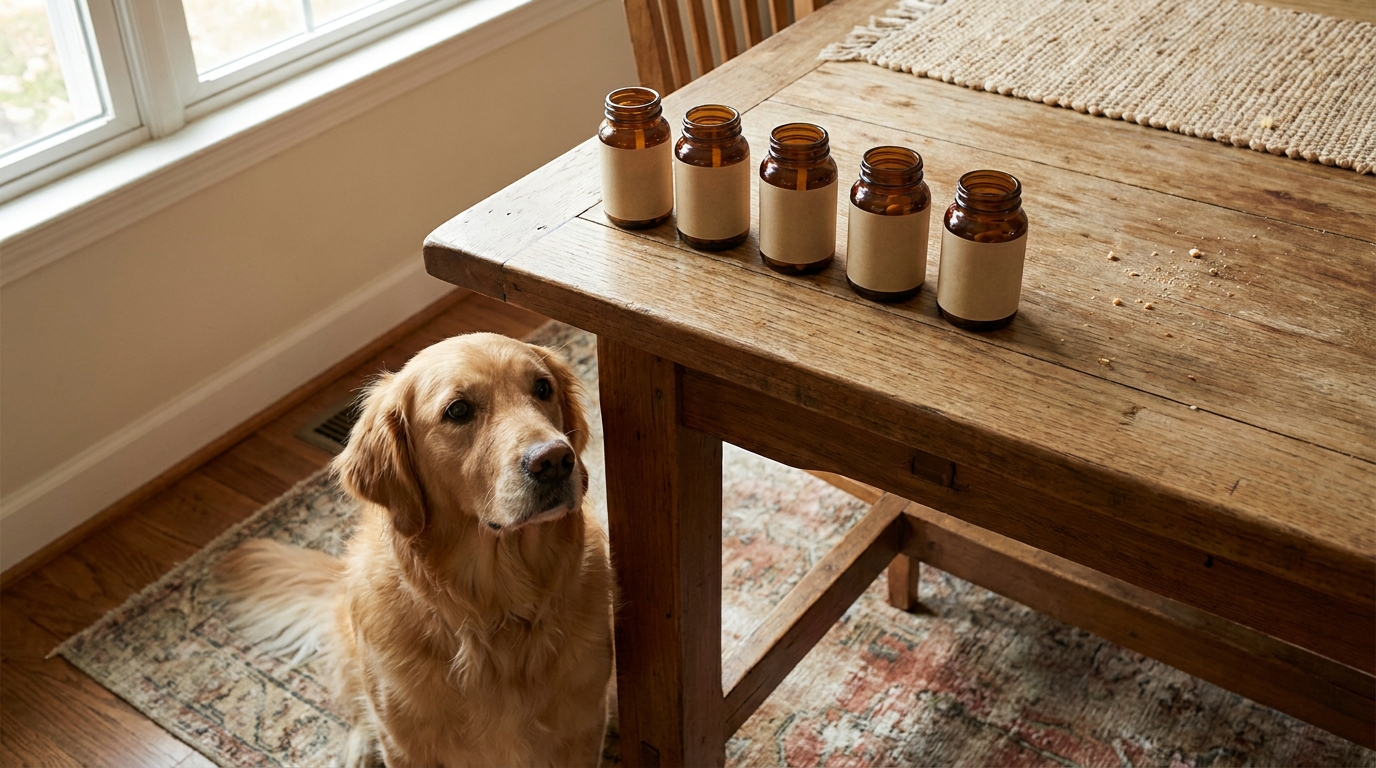
- Not every dog needs a daily probiotic, but certain signs — recurring loose stool, frequent ear issues, bad breath that won’t quit — can signal that the gut and oral microbiome need support.
- Probiotics (live bacteria) and postbiotics (beneficial bacterial compounds) work differently, and postbiotics offer stability advantages that mattered to us as pet parents.
- After 8 months without any supplement, we noticed small changes that added up — and switching to a postbiotic-based formula was the turning point for Biscuit.
- Oral health coverage is something most canine probiotics don’t address, and it ended up being a deciding factor for us.
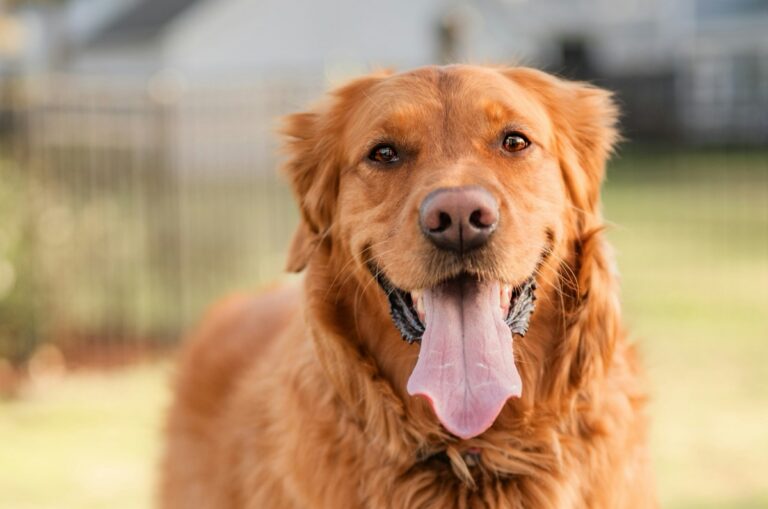
Biscuit turned 7 in March. By November, she’d gone 8 full months without a probiotic supplement — or any gut-health supplement at all. Not because I had strong feelings about it one way or another, but because life got busy, the treat jar was full, and honestly? She seemed fine.
Then “fine” started to mean something different than it used to.
This is the story of those 8 months, what I noticed, and what finally made me decide that yes — my golden retriever actually did need a daily supplement. If you’re sitting there wondering “does my dog need probiotics?”, I hope our experience helps you answer that question for your own pup.
The First 8 Months Without a Supplement
Let me back up. Biscuit had been on a probiotic chew since she was about 3 years old. Our vet at the time suggested it after a round of antibiotics for a hot spot that wouldn’t quit. It seemed to help. She took it for years without much thought from me.
Then the tub ran out. And I just… didn’t reorder.
No drama, no decision. I was between jobs, the house was chaos, and the empty container sat on the counter for a week before I tossed it. By the time I thought about it again, two months had passed. Biscuit was eating well, her coat looked good, energy was normal for a 7-year-old golden. I figured she didn’t need it.
I was wrong. But I didn’t know that yet.
What “Fine” Actually Looked Like in Month 3
Around month three, I started noticing things I can’t honestly say I would have flagged before. Biscuit’s breath got worse — not dramatically, but enough that my husband commented on it one evening while she was snoring on his feet. I’d written about subtle warning signs before, but this one crept up so slowly I didn’t connect it to anything.
Her stool also got softer. Not diarrhea — just… inconsistent. Some days firm and normal, other days a little soft at the end. I blamed it on the new kibble I’d switched to (a salmon formula she seemed to love). The vet said give it two weeks. I gave it a month. Things didn’t fully settle.
Looking back, I think this is what that first warning sign looked like for us — not dramatic, just a slow drift away from baseline.
Months 4–6: The “Maybe It’s Just Age” Phase
Here’s where I made the mistake a lot of us make with senior dogs. I started attributing everything to age.
She was sleeping more. Her breath was worse. Her stool was hit-or-miss. She was scratching her ears occasionally. Each thing on its own seemed like normal aging. Together? I should have been paying closer attention.
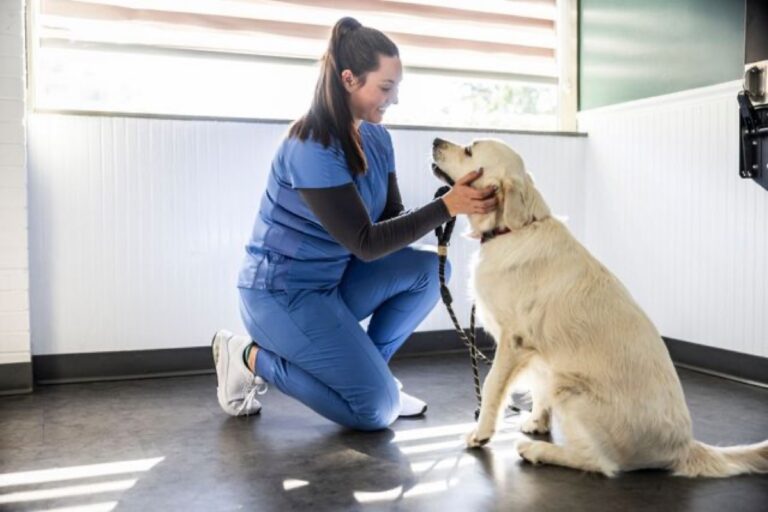
I even had a conversation with our vet about it. She was kind about it, but she basically said: “At 7, golden retrievers aren’t that old. If you’re noticing changes, don’t chalk them all up to age. Something might be off.”
That was the first nudge toward reconsidering.
We’d also talked with our vet about protein, fiber, and the microbiome earlier that year. That conversation stuck with me more than I realized at the time.
Months 7–8: The Point Where I Couldn’t Ignore It
By month seven, Biscuit had developed a faint but persistent fishy smell from her ears. Her breath had crossed the line from “a little doggy” to “noticeable across the room.” And her stool had settled into a pattern of being soft two or three days a week.
I remember sitting on the floor with her one evening, looking at her, and thinking: This is the same dog. Something has shifted.
That’s when I finally started researching again.
The Decision to Start a Supplement (And What Changed My Mind)
What I want to say to anyone Googling “does my dog need probiotics” at 11 p.m.: the answer depends on what you’re seeing. For a young, healthy dog with no gut or oral issues? Maybe not daily. For a dog showing the kind of slow drift I was seeing — changes in stool consistency, breath quality, occasional ear irritation? Something is going on under the surface that diet alone may not fix.
I went back to the research. I read through the studies I could find. I compared products. And I learned a few things that genuinely surprised me.
The Probiotic vs Postbiotic Question
I’ve always thought of probiotics as the only option. Live bacteria, multiple strains, refrigerated for potency. That’s what I knew.
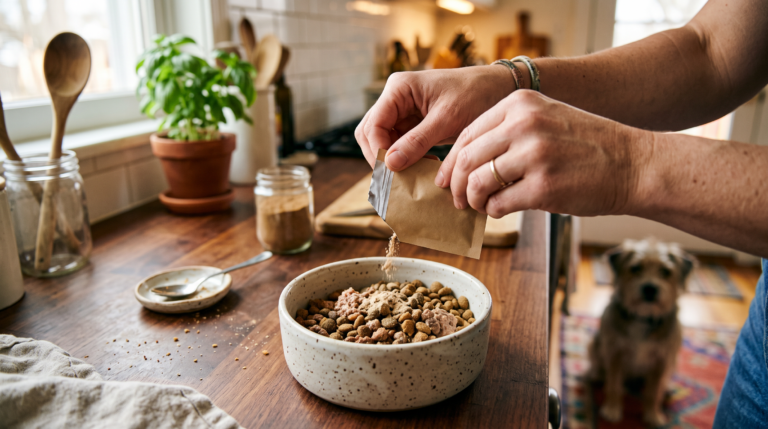
But there’s a newer category: postbiotics. Postbiotics aren’t live organisms — they’re the beneficial compounds produced by beneficial bacteria during fermentation. Things like short-chain fatty acids, peptides, and cell-wall components that can support gut health directly without needing live bacteria to survive the journey through a dog’s stomach.
Our vet had actually walked us through the postbiotic vs probiotic question earlier in the year, but it didn’t fully click until I started comparing products myself.
The thing that sold me on a postbiotic approach was stability. Live probiotic CFUs (colony-forming units) degrade over time. Heat, moisture, and shelf life all reduce how many viable bacteria actually make it to your dog’s gut. A postbiotic doesn’t have that problem — what you see on the label is what your dog gets.
What I Looked For (And What Most Products Don’t Offer)
Once I started comparing supplements, I noticed something that bugged me: almost every canine probiotic on the market focuses only on gut health. But Biscuit’s biggest issues were oral — her breath, her dental situation, the ear thing (which our vet said was linked to inflammation that can start in the gut).
I wanted something that addressed both. And there weren’t many options.
| Product Type | Gut Health Support | Oral Health Support | Stability Concerns | Dose Transparency |
|---|---|---|---|---|
| Standard Probiotic Chew | Yes (live strains) | No | Yes — CFU count degrades over time | Varies by brand |
| Probiotic Powder (Refrigerated) | Yes (live strains) | No | Lower, but still degrades | Usually good |
| Plentum (Postbiotic + Prebiotic) | Yes | Yes — oral microbiome covered | None — no live CFU to lose potency | Full — every ingredient and amount listed |
Plentum is what we ultimately landed on, and I’ll explain why in a moment — but I want to be clear: this isn’t an affiliate-driven recommendation. I genuinely compared options and this one matched what Biscuit needed.
Why Plentum Was Our Pick
Three things made the difference for us:
- Oral health coverage. Biscuit’s breath issue was a real concern. Most canine probiotic supplements don’t touch oral health at all. Plentum’s formulation includes postbiotic compounds that support the oral microbiome — something I’d never seen in a canine product before.
- Stability. No live CFUs means no worrying about whether the product is still effective three months after I open it. That’s a real peace-of-mind factor.
- Published research. Plentum has actual canine clinical trials behind it. Looking at the published studies on oral health and gut-skin axis outcomes gave me confidence that this wasn’t just marketing copy.
What Changed After We Started
We started Plentum in early December. By mid-January — about six weeks in — I’d noticed three things:
- Biscuit’s breath had noticeably improved. Not perfect, but the room-crossing smell was gone.
- Her stool had firmed up and stayed consistent.
- The ear scratching had dropped off significantly.
Did the supplement cause these changes? I can’t say with certainty — I’m not a vet and this isn’t a controlled study. But the timing lined up, and our vet said the improvements were consistent with better microbiome balance.
Looking at our full senior golden retriever supplement routine, this is now a core part of what we do for her — alongside a few other things our vet recommended. We also revisited the five supplements our vet actually recommended list and adjusted based on what was working.
So, Does Your Dog Actually Need a Daily Probiotic?
Here’s my honest answer, as a pet parent who just went through this:
If your dog is young, healthy, eating well, has firm consistent stool, fresh breath, and no recurring skin or ear issues — you probably don’t need to add anything. A good diet, exercise, and regular vet care might be enough.
But if you’re noticing the slow drift I noticed — the things you can’t quite put your finger on but that add up over months — it’s worth investigating. The gut and oral microbiome play a bigger role in a dog’s overall health than most of us realize. And a few subtle signs we wish we’d caught sooner might have changed Biscuit’s trajectory earlier.
When we made the call for Biscuit’s 8th birthday health check, we went through a pretty rigorous comparison process. That process led us to a postbiotic-based formula with oral health coverage. It’s worked for her. It might work for yours — or you might find something else that fits better.
The point isn’t which product you pick. The point is paying attention to the small changes before they become big ones.

Frequently Asked Questions
How do I know if my dog needs a probiotic?
The most common signs include inconsistent stool, excessive gas, recurring ear issues, skin irritation, bad breath, or a general “slow drift” in energy and coat quality. If you’re noticing two or more of these consistently, it’s worth discussing with your vet.
What’s the difference between a probiotic and a postbiotic for dogs?
A probiotic contains live bacteria meant to colonize your dog’s gut. A postbiotic contains the beneficial compounds those bacteria produce — but without requiring live organisms. Postbiotics offer stability advantages since there’s no live CFU count to degrade over time.
Can a golden retriever take a probiotic every day?
Yes, most canine probiotic supplements are designed for daily use. The key is choosing one with full dose transparency, research backing, and ingredients appropriate for your dog’s specific needs. Talk to your vet before starting any new supplement.
Do probiotics help with dog bad breath?
Standard gut-focused probiotics may help indirectly if bad breath is linked to gut imbalance. However, oral health is a separate concern — most canine probiotics don’t address the oral microbiome directly. Look for formulations that specifically include oral health support if breath is a concern.
Are dog probiotics actually necessary?
Not for every dog. Dogs on a balanced diet with no gut or oral health issues may not need one. For dogs showing signs of microbiome imbalance — inconsistent stool, bad breath, skin or ear issues — a daily supplement may help support overall health.
References
- Plentum oral health clinical trial. Journal of Veterinary Dentistry. PMID: 40509062
- Plentum gut-skin axis canine study. Frontiers in Veterinary Science. PMID: 40723482
- Salminen, S., et al. The International Scientific Association of Probiotics and Prebiotics (ISAPP) consensus statement on the scope and appropriate use of the term postbiotic. Nature Reviews Gastroenterology & Hepatology. 2021. PMID: 33948025
Written by Sarah Mitchell, lifelong golden retriever mom and founder of My Golden Retriever Life. Biscuit is now 8 and thriving.
“`